Air Peace to retire Boeing 737 Classics: Which other airlines still fly them?

May 13, 2026
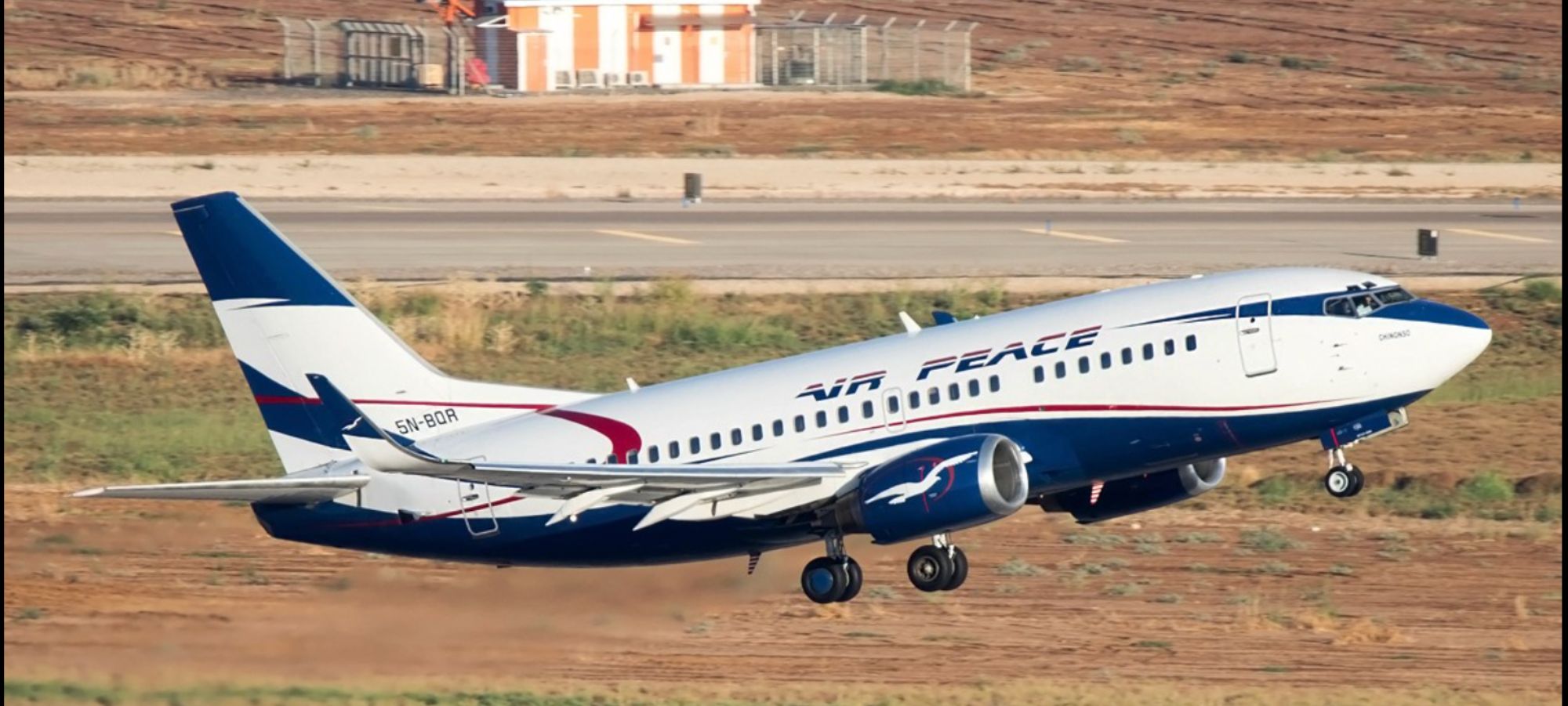
Nigeria’s Air Peace is preparing to retire its ageing Boeing 737 Classic fleet, potentially becoming one of the latest airlines to phase out one of commercial aviation’s most enduring narrowbody aircraft families.
The Lagos-based carrier currently operates three active Boeing 737-300s and three Boeing 737-500s, according to Planespotters.net data, alongside several parked aircraft. Combined, the fleet has an average age approaching 30 years.
Reports in African media and confirmed by ch-aviation suggest the airline is moving to remove the older 737 Classic variants from service as part of a broader fleet renewal strategy, with aircraft tracking data indicating that at least one aircraft has already been re-registered in Southern Africa.
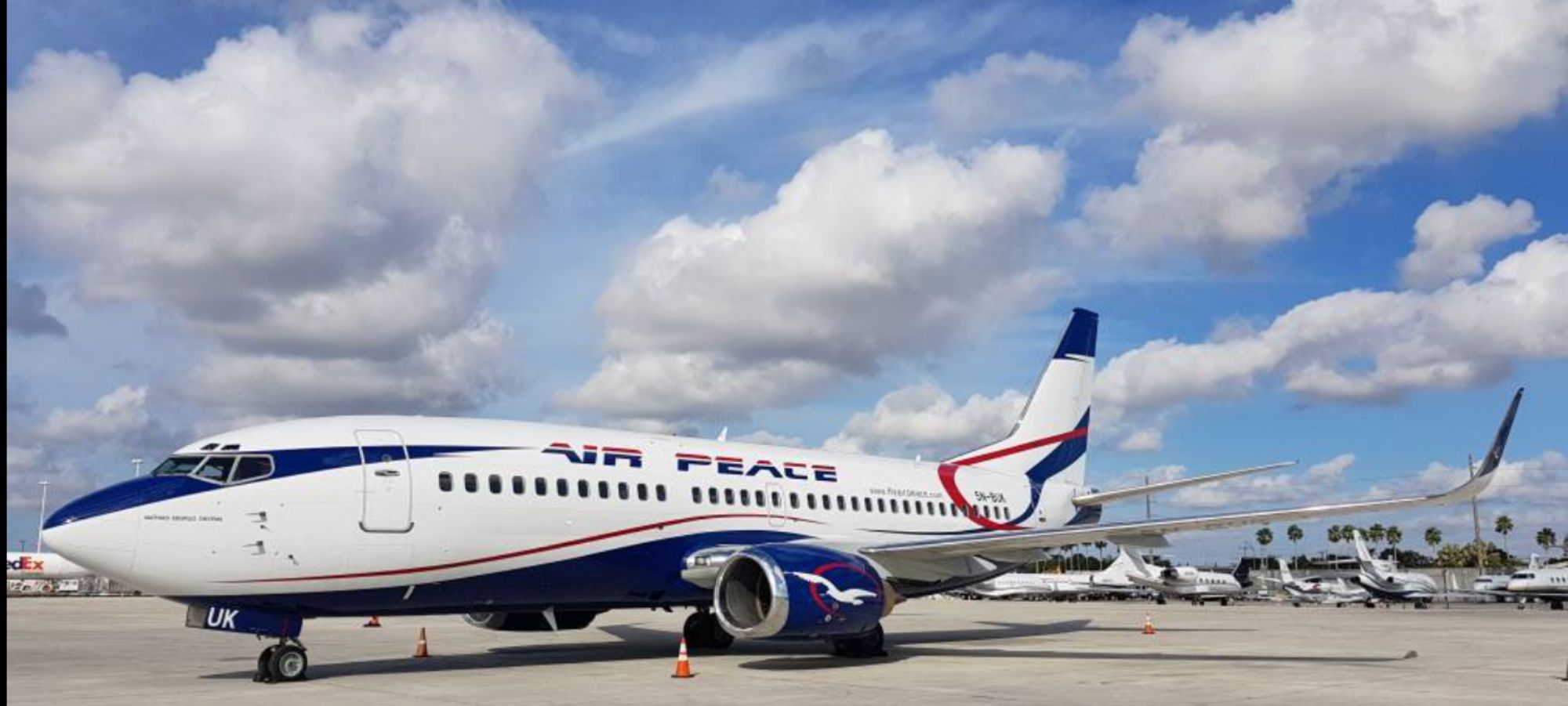
The move comes as airlines across Africa and other developing aviation markets face growing pressure from rising fuel costs, maintenance expenses and increasingly difficult access to spare parts for older aircraft types.
Air Peace operates one of the region’s more varied narrowbody fleets, including Embraer ERJ-145s, Embraer E190s, E195-E2s, plus Boeing 737NG aircraft.
Which airlines still fly the Boeing 737 Classic in 2026?
Once one of the world’s most common short-haul aircraft families, the Boeing 737 Classic is now rapidly disappearing from mainstream passenger service.
Introduced during the 1980s and 1990s, the 737 Classic family comprised the 737-300, -400 and -500 variants. The aircraft introduced more efficient CFM56 turbofan engines, improved avionics and greater passenger capacity compared with the original 737 family.
The aircraft later paved the way for the Boeing 737 Next Generation series, which remains one of the world’s dominant narrowbody aircraft families today.
But while most major airlines retired their 737 Classics years ago, the type continues flying in smaller numbers across niche markets, remote regions and lower-yield operations where lower acquisition costs can still outweigh fuel efficiency concerns.
Known operators of the 737 Classic in 2026
| Airline | Country | 737 Classic variants operated | Notes |
|---|---|---|---|
| Air Peace | Nigeria | 737-300, 737-500 | Reportedly preparing to retire remaining Classics |
| Jet2.com | United Kingdom | 737-300 | One of Europe’s last major passenger operators of the type |
| Air Algérie | Algeria | 737-400 | Still operates Classics on regional and European routes |
| UTair | Russia | 737-400, 737-500 | Maintains one of the larger remaining Classic fleets |
| Boliviana de Aviación | Bolivia | 737-300 | Uses the aircraft on domestic and regional services |
| Estelar | Venezuela | 737-300 | Continues operating ageing Classics in passenger service |
| Air North | Canada | 737-500 | Operates aircraft in northern and remote environments |
| Canadian North | Canada | 737-500 | Uses the type on Arctic and regional routes |
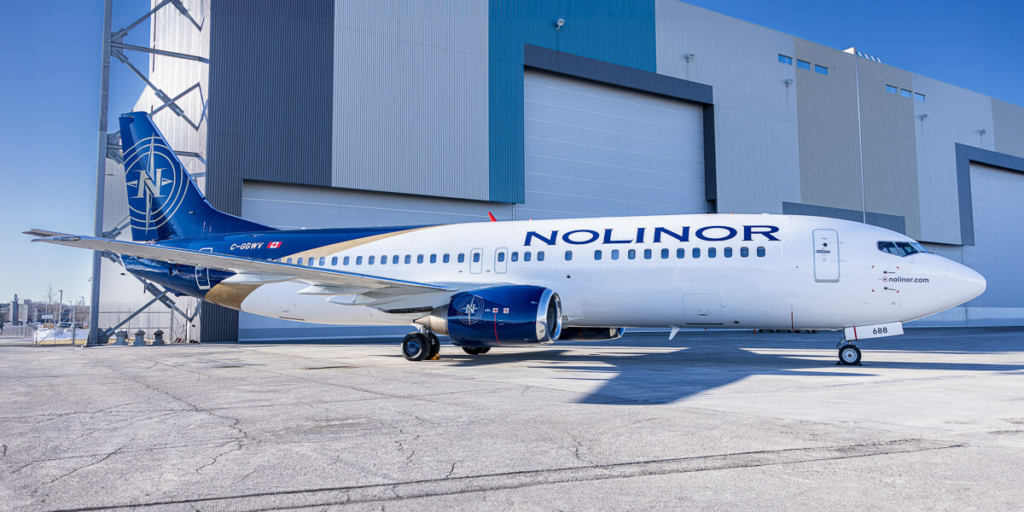
| Nolinor Aviation | Canada | 737-200, 737-300, 737-400 | Specialises in remote and gravel runway operations |
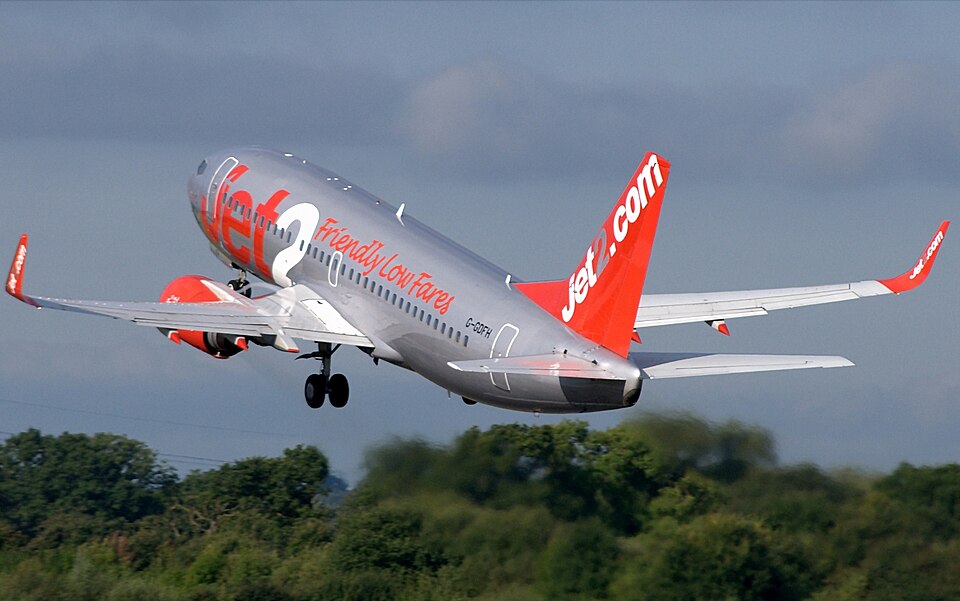
Among the remaining operators is UK leisure airline Jet2, which still flies the 737-300 from Leeds Bradford Airport.
Air Algérie continues operating the 737-400 on regional and European routes, including flights to London Stansted.
In Russia, UTair maintains a sizeable fleet of 737-400s and -500s, while Boliviana de Aviación in Bolivia and Estelar in Venezuela also continue operating the aircraft.
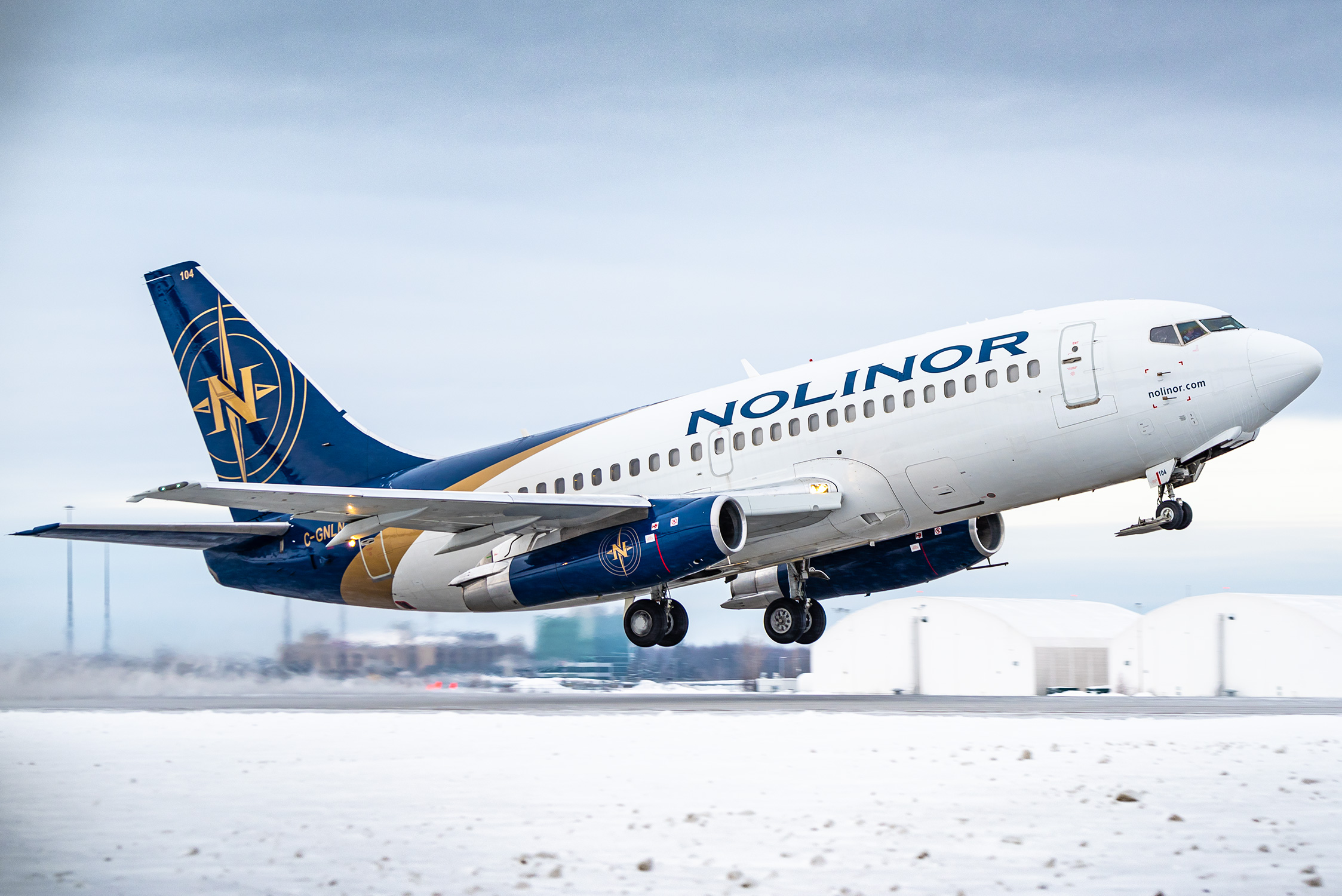
Several Canadian airlines remain notable operators, too. Air North and Canadian North both continue flying the 737-500 in challenging northern environments.
Meanwhile, Canadian charter operator Nolinor Aviation still operates even older Boeing 737-200 aircraft, including specialised gravel-runway variants certified for remote operations.
Why some airlines still keep the 737 Classic flying
Despite their age, the 737 Classics remain attractive to some airlines because they are relatively inexpensive to acquire and can still perform reliably on short- and medium-haul routes.
For operators serving remote regions or price-sensitive markets, lower ownership costs can sometimes outweigh the aircraft’s higher fuel burn compared with newer-generation jets.
However, the economics are becoming increasingly difficult.
Rising fuel prices, tightening emissions pressures and growing maintenance requirements are accelerating retirement plans globally.
Parts availability is also becoming more challenging as the worldwide fleet shrinks and maintenance providers focus increasingly on newer aircraft families.
The Boeing 737 Classic family by the numbers
The Boeing 737 Classic family was designed for short- and medium-haul operations with seating capacities ranging from around 110 to 168 passengers, depending on variant and configuration.
| Specification | 737-300 | 737-400 | 737-500 |
|---|---|---|---|
| Maximum passenger capacity | 149 | 168 | 132 |
| Overall length | 109 ft 7 in (33.4 m) | 119 ft 7 in (36.4 m) | 101 ft 9 in (31.0 m) |
| Maximum take-off weight (MTOW) | 138,500 lb (62,820 kg) | 150,000 lb (68,040 kg) | 133,500 lb (60,550 kg) |
| Take-off distance | 7,500 ft (2,286 m) | 8,690 ft (2,649 m) | 8,630 ft (2,630 m) |
| Maximum range | 2,255 nmi (4,176 km / 2,595 mi) | 2,060 nmi (3,820 km / 2,370 mi) | 2,375 nmi (4,398 km / 2,733 mi) |
The 737-400 was the largest aircraft in the series at 119ft 7in (36.4m) in length, while the smaller 737-500 measured 101ft 9in (31m).
All three variants shared a wingspan of 94ft 9in (28.9m) and were powered by CFM56 turbofan engines, which significantly improved fuel efficiency and noise performance compared with earlier 737 generations.
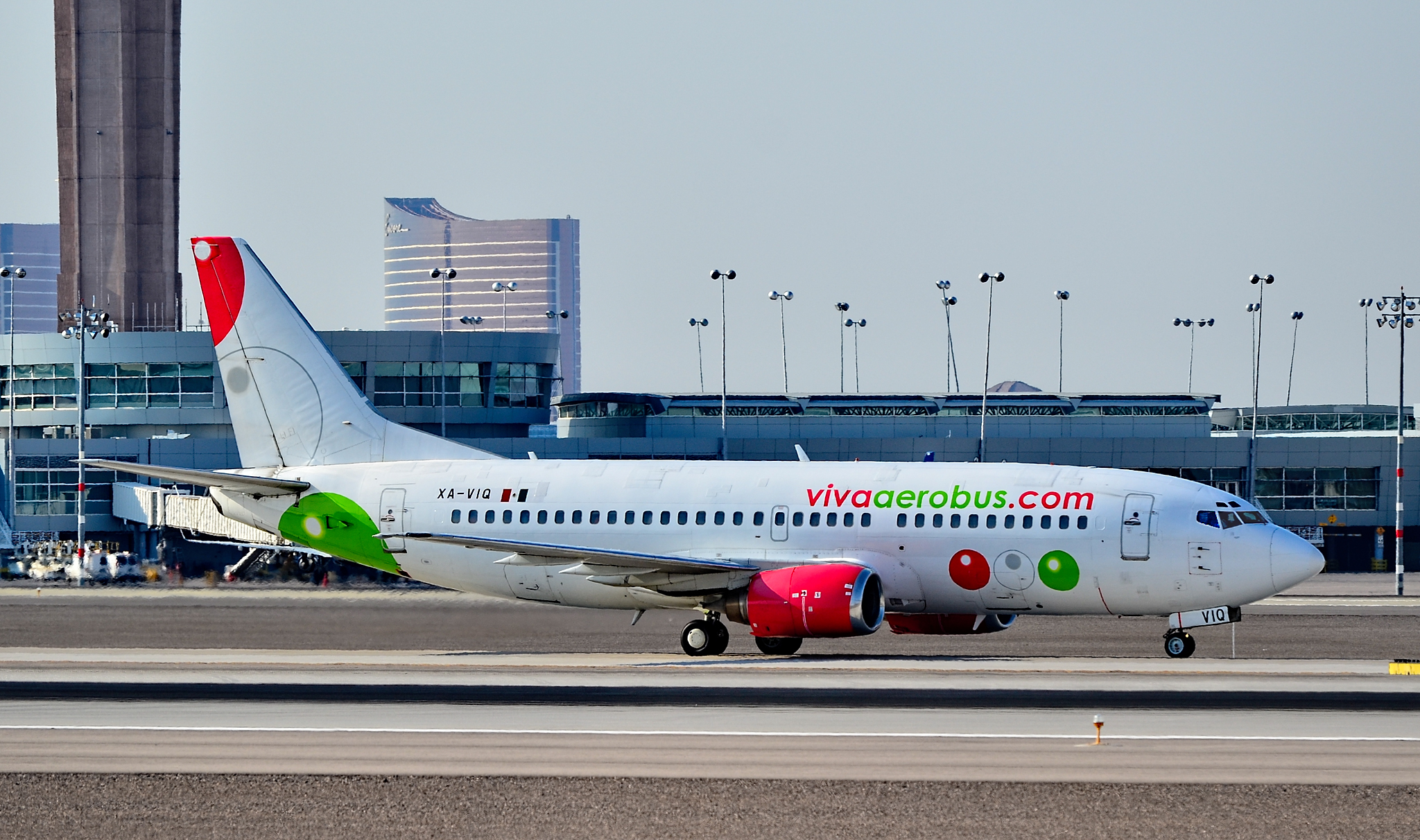
However, integrating the larger engines onto the low-slung 737 airframe required an unusual design compromise. To maintain sufficient ground clearance beneath the wing, Boeing engineers flattened the underside of the engine nacelles, creating one of the Boeing 737 Classic’s most recognisable visual characteristics.
Although once a defining aircraft of global short-haul travel, the Boeing 737 Classic is now entering its final years in mainstream passenger service.
Featured image: Air Peace