Korean Air confirms final Asiana Airlines merger date after six-year process

May 13, 2026
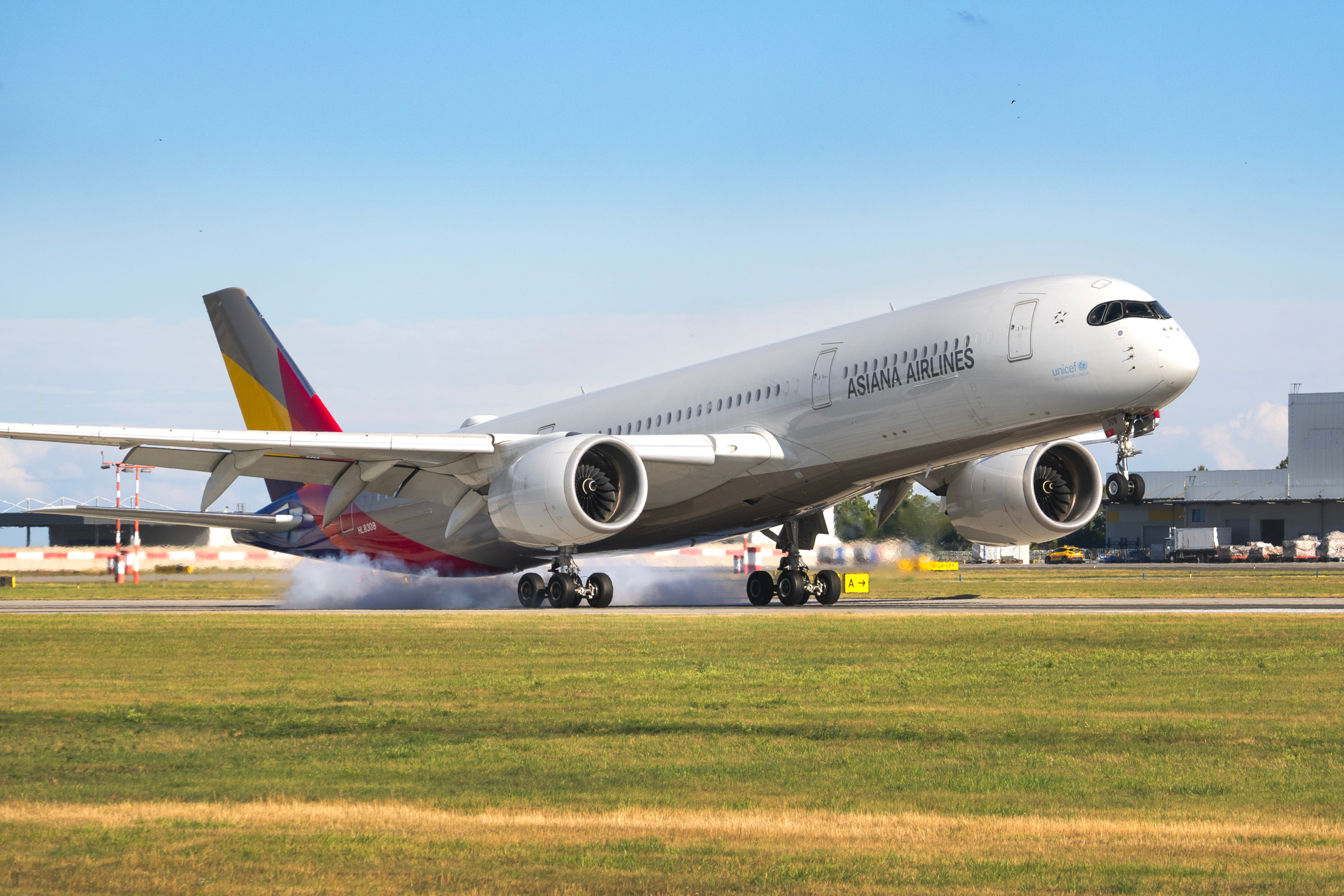
Korean Air will fully absorb rival Asiana Airlines on 17 December 2026, bringing an end to one of the longest and most closely scrutinised airline mergers in modern aviation.
The move will see the Asiana brand disappear after nearly four decades of operations, almost six years after Korean Air first announced plans to acquire the financially troubled carrier in 2020.
Once completed, the merger will create one of Asia’s largest airline groups, significantly expanding Korean Air’s passenger and cargo operations while consolidating South Korea’s international aviation market around a single full-service carrier.
Korean Air and Asiana Airlines merger to complete in December 2026
Korean Air and Asiana Airlines are expected to formally sign the merger agreement on 14 May, following approval by both airlines’ boards the previous day.
Under the final agreement, Korean Air will assume all of Asiana’s assets, liabilities and operational responsibilities as the carrier moves towards operating under a single Air Operator Certificate (AOC).

The integration still requires final approval from South Korea’s Ministry of Land, Infrastructure and Transport (MLIT), including revised operational specifications and regulatory clearance for the combined airline structure.
Korean Air said the merger would allow the airline to streamline overlapping routes, strengthen safety systems and expand into new markets while improving the competitiveness of Incheon International Airport as a global aviation hub.
The integration will also eventually combine the airlines’ low-cost subsidiaries, Jin Air, Air Busan and Air Seoul, into a single carrier operating under the Jin Air brand from 2027.
What happens next in the Korean Air-Asiana merger
The next stage of the process will see Korean Air apply for formal merger approval from the MLIT while beginning work to integrate flight operations, procedures and systems across both airlines.
Since Korean Air completed its acquisition of a 63.9% stake in Asiana in December 2024, the two airlines have largely continued operating independently, with Asiana functioning as a subsidiary carrier.

According to Korea JoongAng Daily, Asiana Airlines will hold an extraordinary shareholder meeting in August to approve the merger proposal.
Since 2024, the carriers have remained largely independent, with Asiana effectively operating as a subsidiary of Korean Air.
Korean Air is also continuing discussions with regulators regarding integration of the airlines’ respective loyalty programmes, one of the more closely watched aspects of the merger among frequent flyers.
The airline has additionally outlined broader investments ahead of the integration, including upgrades to airport lounges, onboard catering and maintenance infrastructure.
Korean Air has also expanded facilities at its Seoul headquarters and near Incheon International Airport to support a larger combined fleet and route network.
Why the Korean Air-Asiana merger took nearly six years
The Korean Air-Asiana merger was first announced in 2020 as South Korea sought to stabilise Asiana Airlines following severe financial difficulties during the COVID-19 pandemic.
At the time, the South Korean government and creditor banks provided approximately 3.6 trillion won ($2.4 billion) in financial support to help stabilise the airline.
The deal then faced years of scrutiny from competition and aviation regulators in the United States, European Union, Japan and other international markets.

Approval was eventually secured only after Korean Air agreed to a series of concessions, including surrendering some European routes and divesting Asiana’s cargo business to Air Incheon.
Supporters of the merger argue that the combined airline will strengthen South Korea’s aviation sector and improve global competitiveness.
Critics, however, have raised concerns about reduced competition, potential fare increases and uncertainty surrounding future loyalty programme integration.
Korean Air said integration efforts would continue progressively throughout 2026 as the two airlines move towards becoming a single carrier by the end of the year.
Featured image: kamilpetran | Adobe Stock