AAIB: Leonardo AW139 narrowly avoided catastrophic tail rotor control failure

May 21, 2026
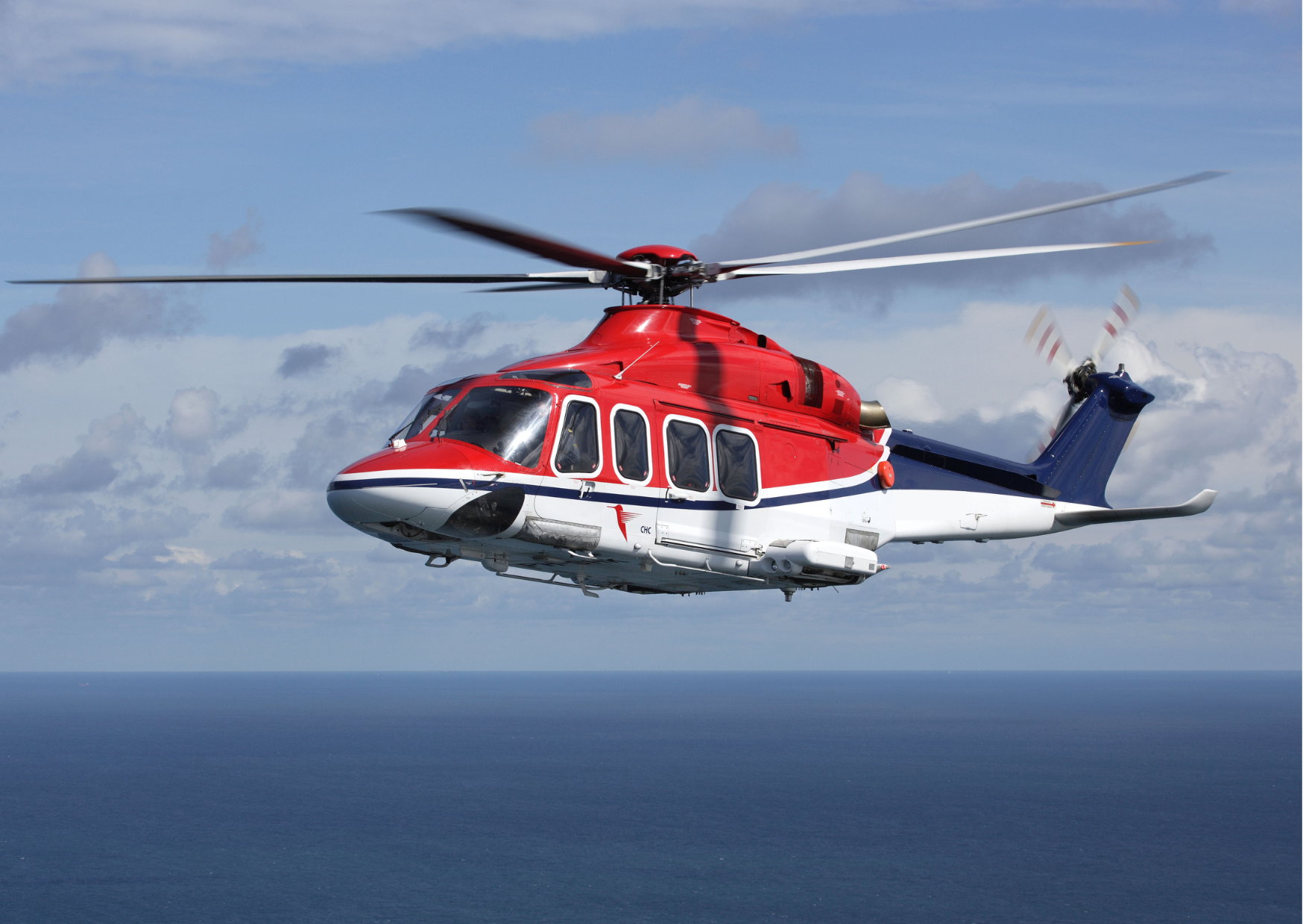
An offshore helicopter carrying passengers to North Sea oil rigs came close to a potentially catastrophic loss of tail rotor control after a critical bearing failure went undetected until a post-flight maintenance inspection, according to a newly released UK accident investigation report.
The UK Air Accidents Investigation Branch (AAIB) said the extent of damage found inside the Leonardo AW139’s tail rotor system indicated “a loss of tail rotor control event would likely have occurred had the helicopter continued to operate.”
Leonardo AW139 tail rotor failure discovered after North Sea flights
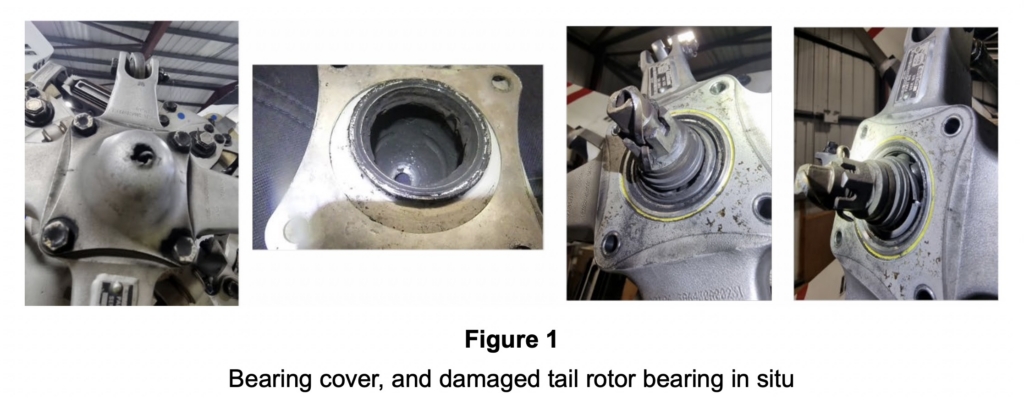
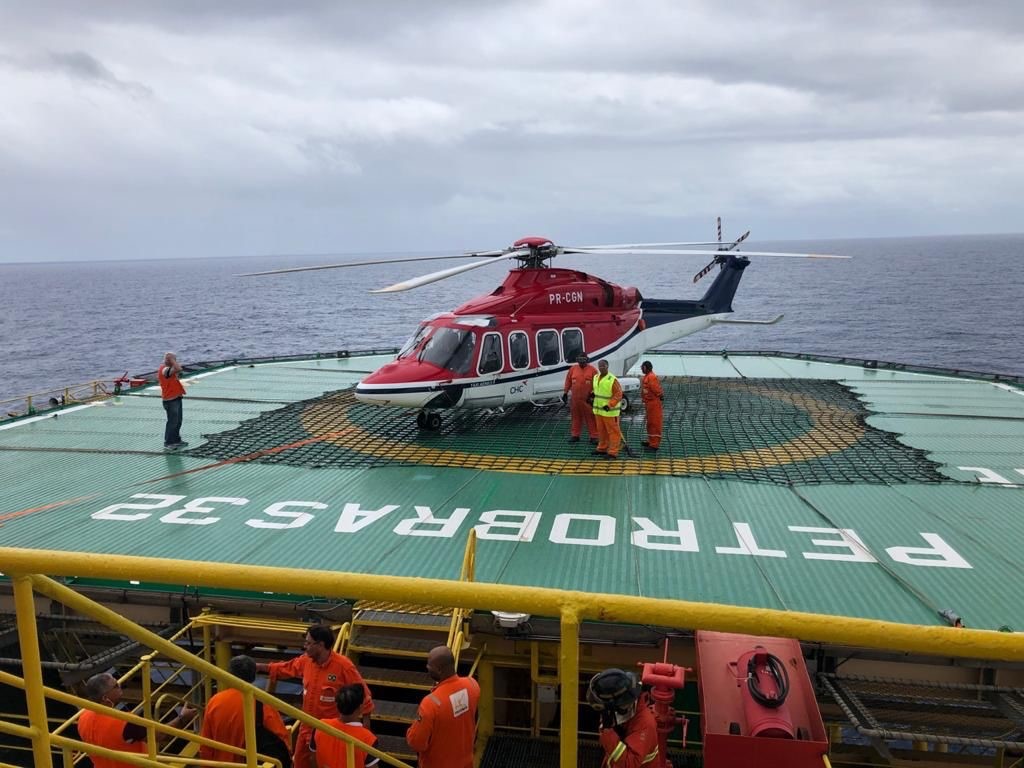
The serious incident involved Leonardo AW139 helicopter G-CIMU, operated by CHC Helicopter, following a day of offshore passenger flights from Norwich Airport to North Sea oil rigs on 13 June 2022. The defect was discovered after the aircraft returned to base, and engineers noticed a hole worn through a protective cover over the tail rotor duplex bearing assembly.
When the cover was removed, maintenance personnel found extensive internal damage, including exposed ball bearings, heavy wear and large amounts of carbon dust inside the assembly. The bearing deteriorated so severely that it disintegrated during removal attempts.
Investigators warned the failure mechanism closely resembled the chain of events that caused the fatal 2018 Leicester City helicopter crash involving a Leonardo AW169, which killed five people, including club owner Vichai Srivaddhanaprabha.
AAIB links AW139 failure to Leicester AW169 crash
The report explains that the failed component was a tail rotor duplex bearing, classified as a critical part, as its failure could have catastrophic consequences for the helicopter.
The bearing connects the static tail rotor control actuator to the rotating tail rotor system, allowing pilots to control yaw through pedal inputs. Failure of the component can ultimately result in the loss of tail rotor pitch control.
Investigators found the AW139 uses an almost identical tail rotor system design to the AW169 involved in the 2018 Leicester crash.
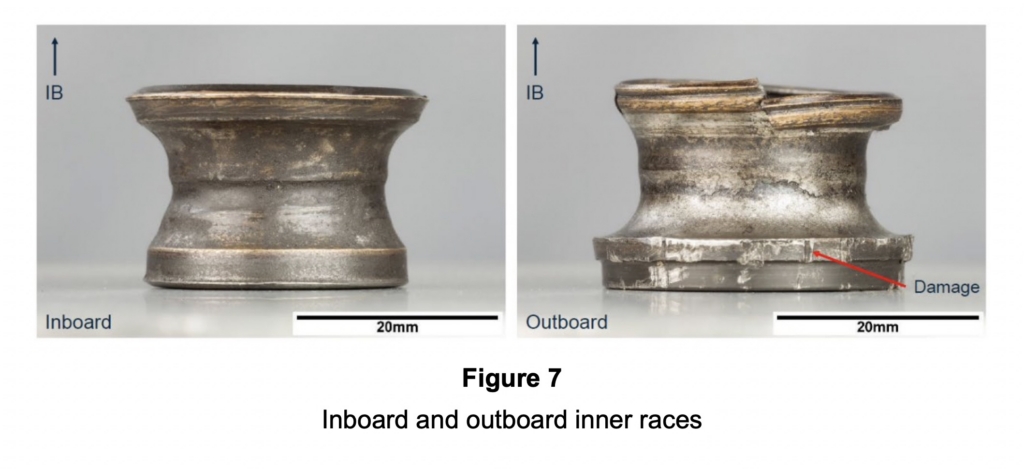
In the Leicester accident, seizure of the duplex bearing triggered a sequence of failures that resulted in the uncontrollable loss of tail rotor pitch authority and the helicopter crashing shortly after takeoff from the King Power Stadium.
The AAIB said a similar process occurred aboard G-CIMU, although in this case the helicopter landed safely before the full consequences developed.
Cockpit recordings from the AW139’s final flights captured one pilot remarking that the pedals felt “a bit strange” during a leg between offshore platforms, around 15 flight hours before the damaged bearing was discovered.
The investigation found that the bearing damage became progressively worse over the helicopter’s final hours of operation, eventually reducing resistance inside the tail rotor control system. The AAIB concluded that if the final stage of failure had occurred while airborne — particularly during hover operations on an oil rig approach — the outcome could have been significantly more serious.
Investigators raise concerns over helicopter monitoring and inspection systems
The report also raised concerns about the effectiveness of existing monitoring systems and oversight of critical helicopter components.
Although the helicopter was equipped with a Health and Usage Monitoring System (HUMS), investigators found the AW139 configuration lacked a dedicated sensor capable of detecting deterioration within the tail rotor duplex bearing.
The AAIB additionally questioned whether enough was being done industry-wide to assess critical safety components after removal from service. The report noted that no formal airworthiness requirement currently exists requiring manufacturers to conduct systematic post-removal assessments of critical parts such as tail rotor duplex bearings.
Three new Safety Recommendations were issued as part of the investigation, while the report also references earlier recommendations made following the Leicester AW169 crash investigation.
| AAIB recommendation | What the AAIB recommended | Why it matters |
|---|---|---|
| Safety Recommendation 2026-003 | Leonardo Helicopters should introduce a comprehensive inspection and assessment programme for AW139 tail rotor duplex bearings removed from service, including both serviceable and prematurely failed bearings. | Investigators want manufacturers to better understand how the bearings deteriorate in service and verify whether current life limits and inspections are sufficient to prevent catastrophic failure. |
| Safety Recommendation 2026-004 | Leonardo should explore monitoring cockpit pedal-position trends during stable flight conditions through the helicopter’s Health and Usage Monitoring System (HUMS). | Subtle changes in pedal behaviour could provide an early warning that the tail rotor duplex bearing is degrading before a major failure occurs. |
| Safety Recommendation 2026-005 | Leonardo should develop vibration monitoring capability for the AW139 tail rotor duplex bearing as part of the HUMS system. | Similar monitoring was added to AW169 and AW189 helicopters after the fatal Leicester crash. The AAIB believes equivalent monitoring could help identify dangerous bearing deterioration earlier on the AW139 fleet. |
Leonardo and regulators introduced several precautionary measures following the incident, including reduced bearing life limits, additional inspections and modifications to maintenance procedures.
Featured image: CHC Helicopter