Ex-Qantas executive plans Ryanair-style airline based at Western Sydney Airport

May 17, 2026
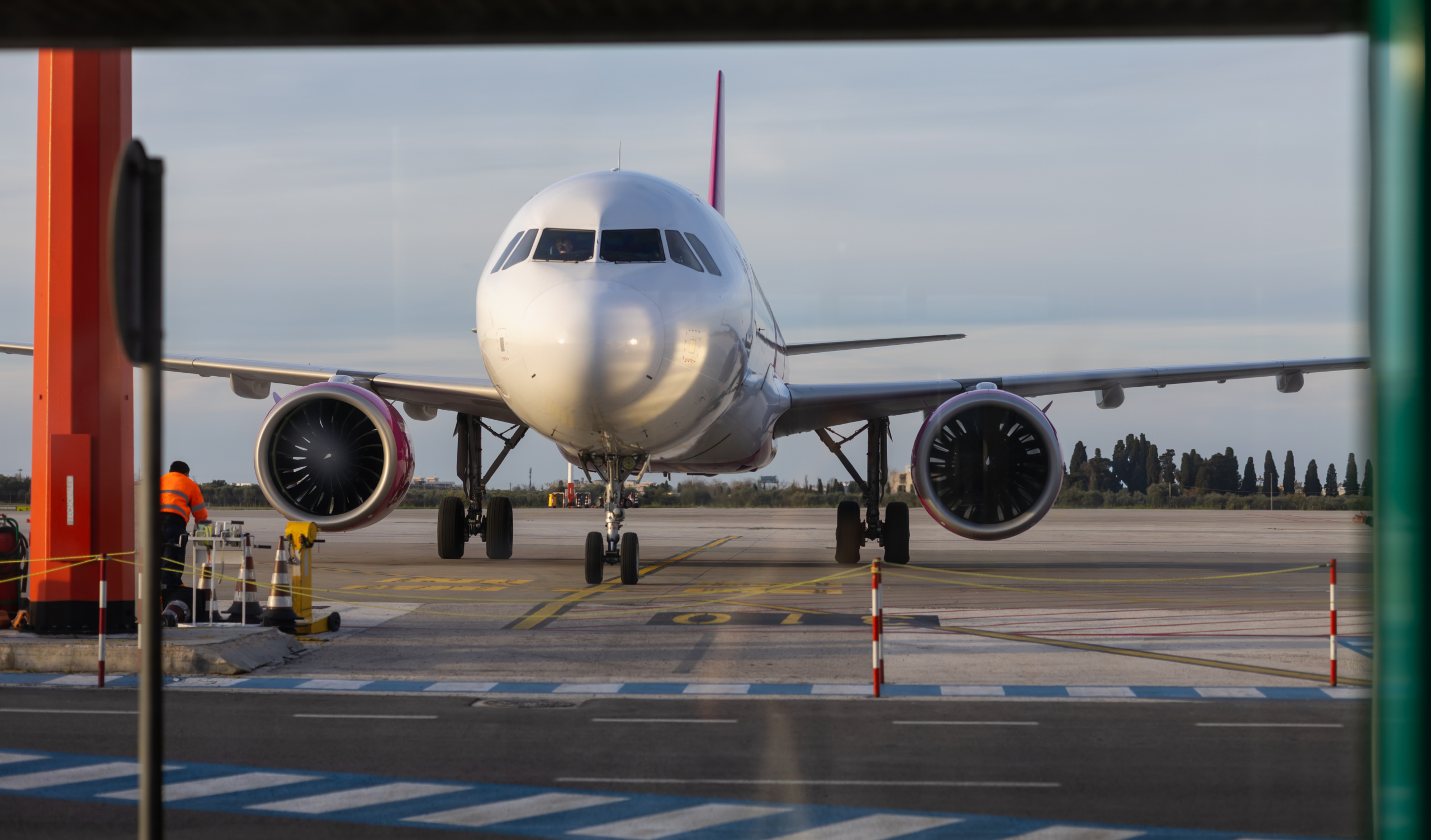
A former Qantas and Jetstar executive believes Australia may finally be ready for a true Ryanair-style ultra-low-cost airline, despite decades of failed challengers.
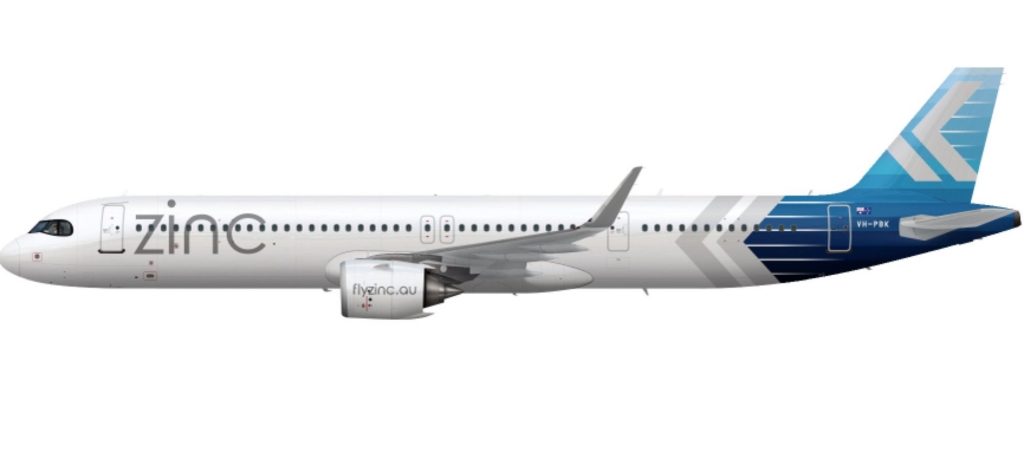
Peter Kelly, who previously worked at Qantas, Ansett Australia and helped establish Jetstar, is seeking around $200 million in backing for Zinc, a proposed Airbus A321neo ultra-low-cost carrier based at the new Western Sydney International Airport.
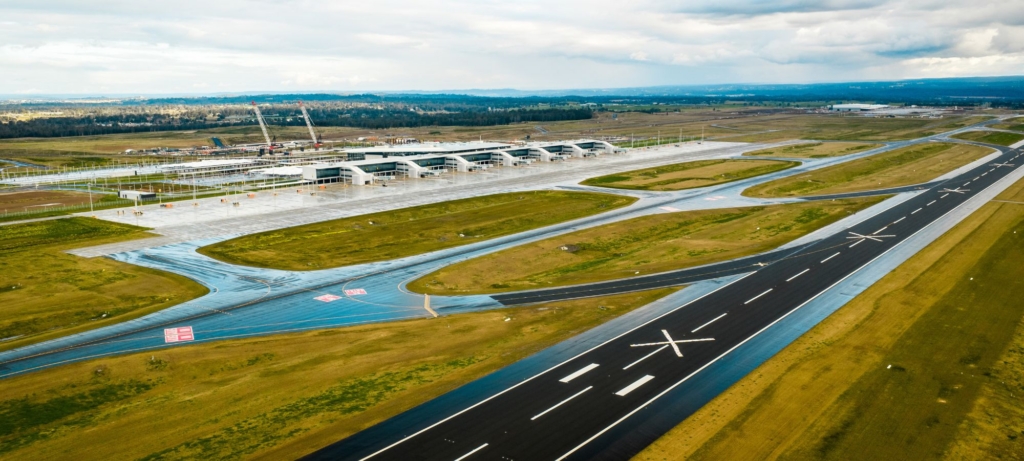
The airport, due to open in late October, is central to Kelly’s belief that Australia’s domestic aviation market may finally support a genuinely low-cost model after years of structural barriers that undermined previous startups.
According to the Australian Financial Review, Kelly believes Zinc could launch within the next two years if funding and regulatory approvals fall into place.
Zinc wants to build an Australian Ryanair
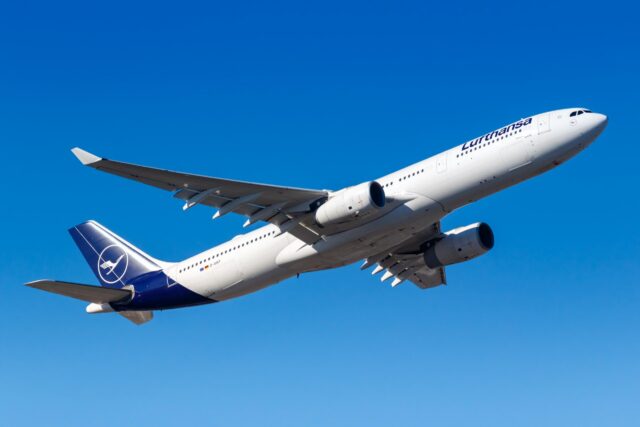
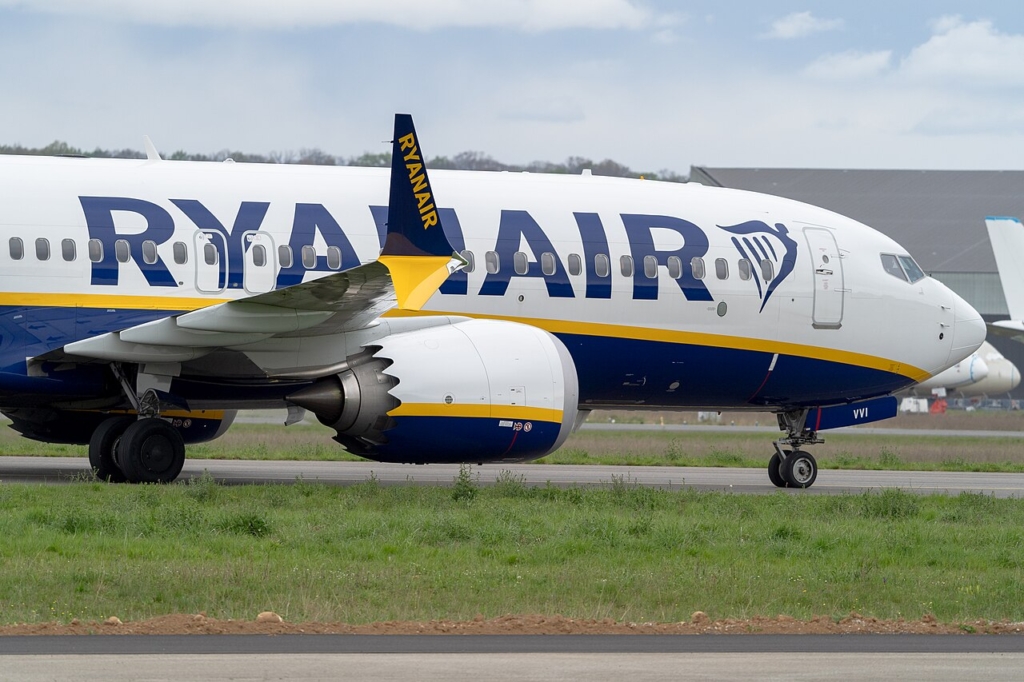
Kelly says Zinc has taken significant inspiration from Europe’s low-cost giants, particularly Ryanair, focusing heavily on aircraft utilisation, operational simplicity and lean cost structures. The airline plans to operate an all-Airbus A321neo fleet with a 232-seat all-economy configuration.
“One of the main features of an ULCC model is its efficiency,” said Kelly in a report for the Australian Financial Review. “Some think it’s about not paying staff and low costs; it’s not. Our model is about sweating the assets and running the planes for 12 hours a day minimum.”
Initially, Zinc plans to focus on high-traffic routes operating routes between Western Sydney, Melbourne and Brisbane before expanding towards the Gold Coast and other destinations, including Adelaide in year four of operations. By year five, Zinc will operate across five airports and seven route pairs with 15 aircraft.
Melbourne-Sydney is the world’s sixth busiest airline route and is currently dominated by Qantas, Jetstar (a Qantas subsidiary) and Virgin. Together the three carriers hold approximately 98% of the Australian domestic market.
Kelly said the airline’s operating model is designed to maximise aircraft productivity while reducing operational complexity.
“A novel base-assigned operating model keeps aircraft productive, crew costs lean and eliminates overnight complexity,” he said. “The model is stress-tested. The team is ready.”
The airline has not yet secured certification from Australia’s Civil Aviation Safety Authority (CASA).
Western Sydney Airport changes the equation for new airlines
Kelly argues the opening of Western Sydney International Airport represents a rare opportunity to break into Australia’s highly concentrated domestic aviation market.
Unlike Sydney Kingsford Smith Airport, which is heavily slot constrained and subject to curfews and congestion, the new airport offers significantly more operational flexibility for a startup airline.
A statement on Zinc’s website describes the airport as a “once-in-a-generation structural shift in domestic aviation.”
The company argues that many previous Australian airline failures were caused by structural disadvantages rather than simply weak business models.
“For the first time, a new airline can enter the Sydney market without the restrictions that stopped every earlier attempt. WSI fundamentally changes how competition works in Australian aviation,” Kelly stated.
He also noted that Zinc’s fares will undercut Qantas, Virgin and Jetstar.
The new airport is expected to become a major battleground for low-cost and leisure-focused airlines as Australia’s domestic market continues recovering and expanding.
Australia has buried multiple low-cost challengers
Australia has a long history of domestic airlines launching with ambitious growth plans, only to collapse under intense competition, high operating costs and thin margins.
Compass Airlines was Australia’s first major LCC following deregulation in 1990. It collapsed in 1991 and again in 1993 following aggressive fare wars with incumbents.
The Australian arm of Singapore-based Tiger Airways, Tigerair, began operating in 2007 with a mission to redefine low-cost travel. However, the COVID-19 pandemic led to the closure of operations in 2020.
In 2023, low-cost regional carrier Bonza launched, but its flightpath was short-lived, as it entered voluntary administration the following year. Regional carrier Rex has also faced mounting financial challenges in recent years.
According to Kelly, Bonza and Rex were “undone by capital structure and specific strategy and operational issues,
not by the absence of demand for a third domestic carrier. Zinc is being built to be capital disciplined, single-fleet, focused, efficient and to deliver consistent value to passengers and returns to investors.”
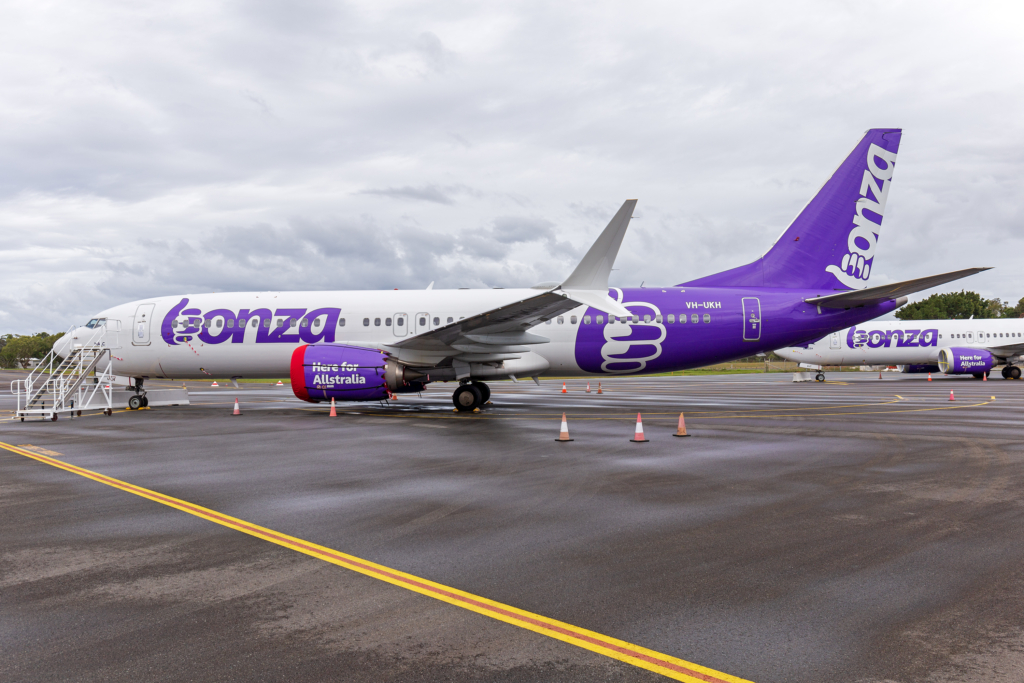
Many analysts argue Australia’s geography, relatively small population and dominance by Qantas and Virgin Australia make the market particularly difficult for new entrants.
Kelly, however, believes Western Sydney Airport fundamentally changes some of those economics.
“Every previous new entrant to the Sydney market hit the same wall – slot scarcity, peak congestion at Kingsford Smith, and a curfew that wrecks aircraft utilisation. WSI removes all three.,” he said. “That changes what is structurally possible.”
Kelly’s own aviation background spans several decades across both legacy and low-cost airline operations. Alongside senior roles at Qantas and Ansett, Kelly was involved in the launch of Jetstar and later founded Cyprus-based low-cost carrier Cobalt Air.
Zinc seeks $200 million backing ahead of launch
According to AFR, documents circulated to prospective investors show Zinc is seeking approximately $200 million in total funding.
Around half would support aircraft deposits and pre-launch operational costs, while the remainder would reportedly be raised through debt financing.
The company says it is currently engaging with a small group of sophisticated investors and strategic partners under non-disclosure agreements.
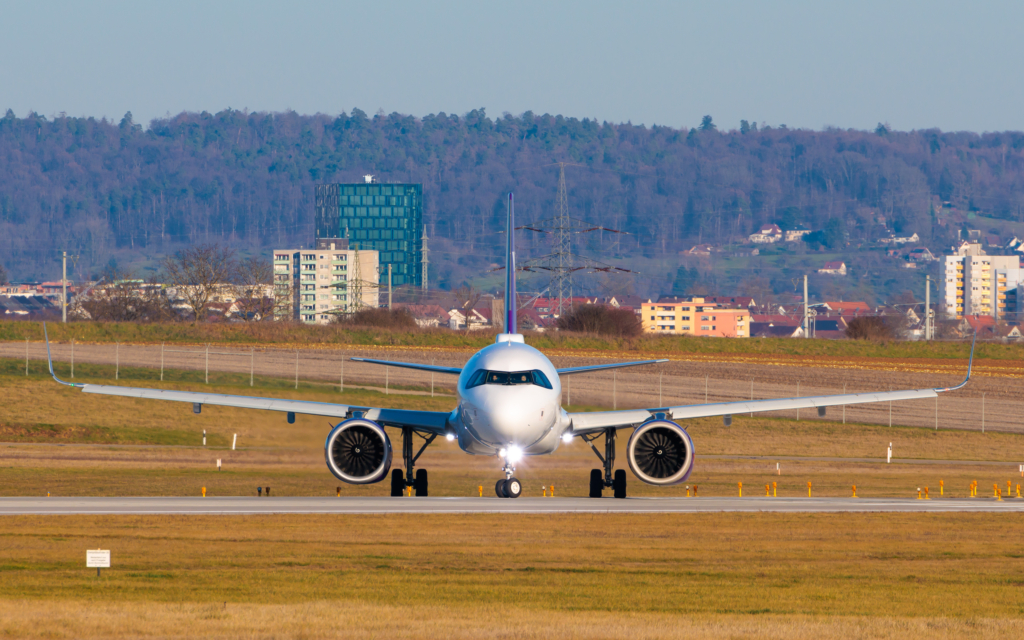
If Zinc succeeds, it would mark one of the most serious attempts in years to establish a genuine ultra-low-cost carrier in Australia’s domestic market.
But the airline would still face significant challenges, including certification, aircraft financing, fuel costs and fierce competition from entrenched incumbents.
The question now is whether Western Sydney Airport genuinely creates a new opportunity, or whether Australia’s domestic market will once again prove too difficult for another low-cost challenger.
Featured image: Laurentiu Bratu / stock.adobe.com