Allied aircraft deploy to Gulf as coalition prepares to secure Hormuz shipping lanes

May 14, 2026
With the Strait of Hormuz still closed following Iran’s blockade, the United Kingdom, France and several allied nations are assembling a defensive coalition focused on protecting Gulf shipping lanes and deterring further attacks on maritime traffic.
While coalition members have been careful to stress the mission is not intended to support direct offensive action against Iran, the emerging force highlights how modern airpower, surveillance aircraft and counter-drone systems are becoming central to securing one of the world’s most strategically important waterways.
Rather than preparing to forcibly reopen the Strait militarily, the coalition appears focused on protecting shipping once commercial traffic resumes and preventing further disruption across the Gulf region.
UK deploys RAF Typhoons and counter-drone systems to Hormuz coalition
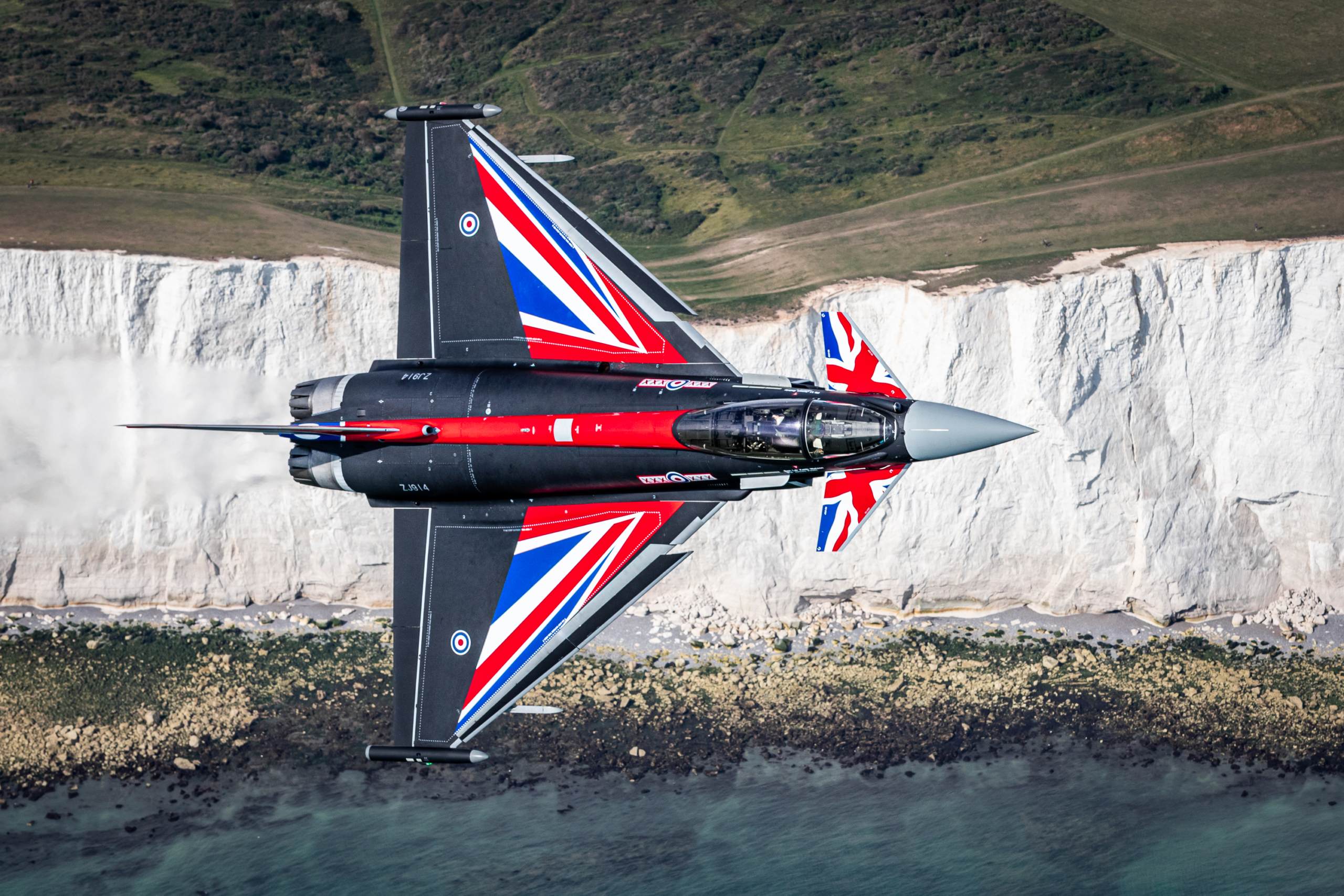
The UK government confirmed this week that it will deploy RAF Typhoon fighter jets, autonomous minehunting systems and advanced counter-drone capabilities alongside the Royal Navy destroyer HMS Dragon as part of the multinational effort.
The UK already maintains a significant military presence in the region, with more than 1,000 personnel stationed across the Middle East. RAF Typhoons based in Cyprus have been actively involved in defensive operations throughout the conflict, helping protect allied Gulf airspace from Iranian drones and missile threats.
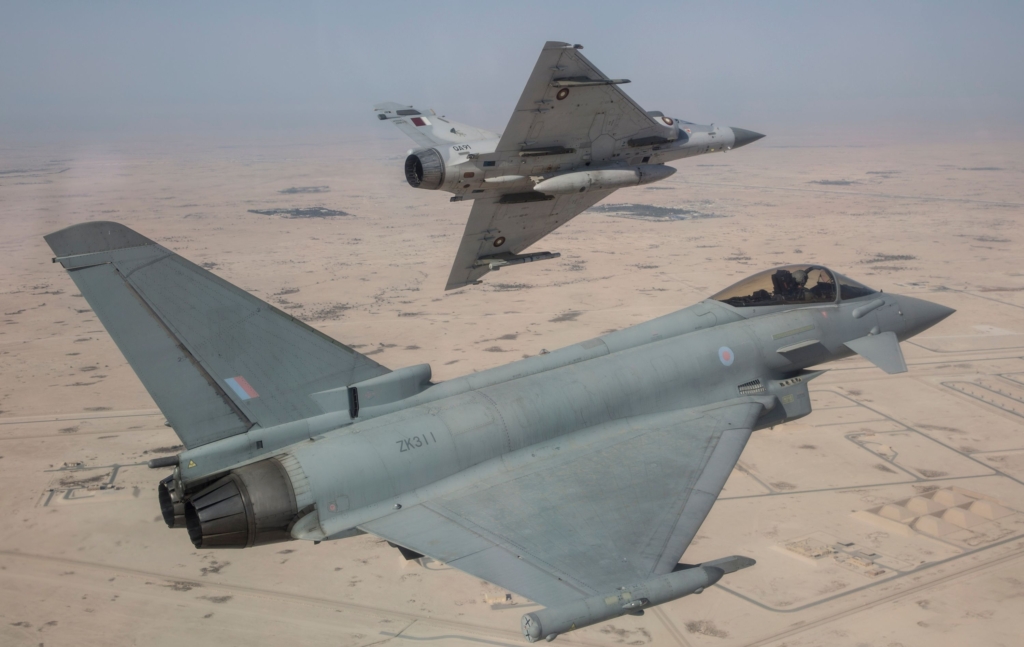
Unlike offensive strike aircraft, the Typhoons are expected to focus on defensive counter-air patrols, airspace monitoring and the protection of coalition assets operating around the Strait of Hormuz and Gulf shipping lanes.
The deployment of HMS Dragon also adds one of the Royal Navy’s most capable air-defence platforms to the coalition. The Type 45 destroyer is equipped with the Sea Viper missile system and advanced radar capabilities designed to track and intercept hostile aircraft and missiles.
Britain is also contributing autonomous minehunting technology, a particularly important capability given longstanding concerns that Iran could attempt to disrupt Gulf shipping using naval mines or fast attack craft.
.@HMSDragon passed through the Suez Canal earlier this week and is now in the Southern Red Sea pic.twitter.com/wKn1xvKusp
— Navy Lookout (@NavyLookout) May 13, 2026
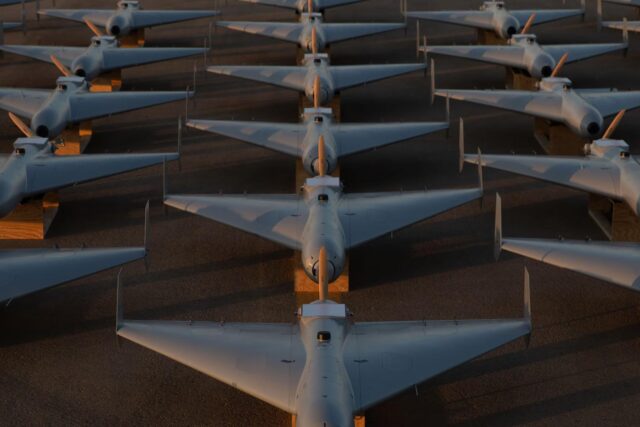
Counter-drone systems are another increasingly important part of the deployment. Iranian one-way attack drones and loitering munitions have become a defining feature of recent regional conflicts, forcing coalition planners to place far greater emphasis on layered air defence and aerial surveillance.
France deploys Rafales and carrier airpower to Gulf security mission
France currently appears to be contributing the largest dedicated combat aviation force to the coalition effort.
The French Navy aircraft carrier Charles de Gaulle remains deployed in the Red Sea and Gulf of Aden region alongside escort warships and support vessels. The carrier brings embarked Rafale M fighter jets capable of conducting air defence, maritime strike and reconnaissance missions across the wider Gulf theatre.
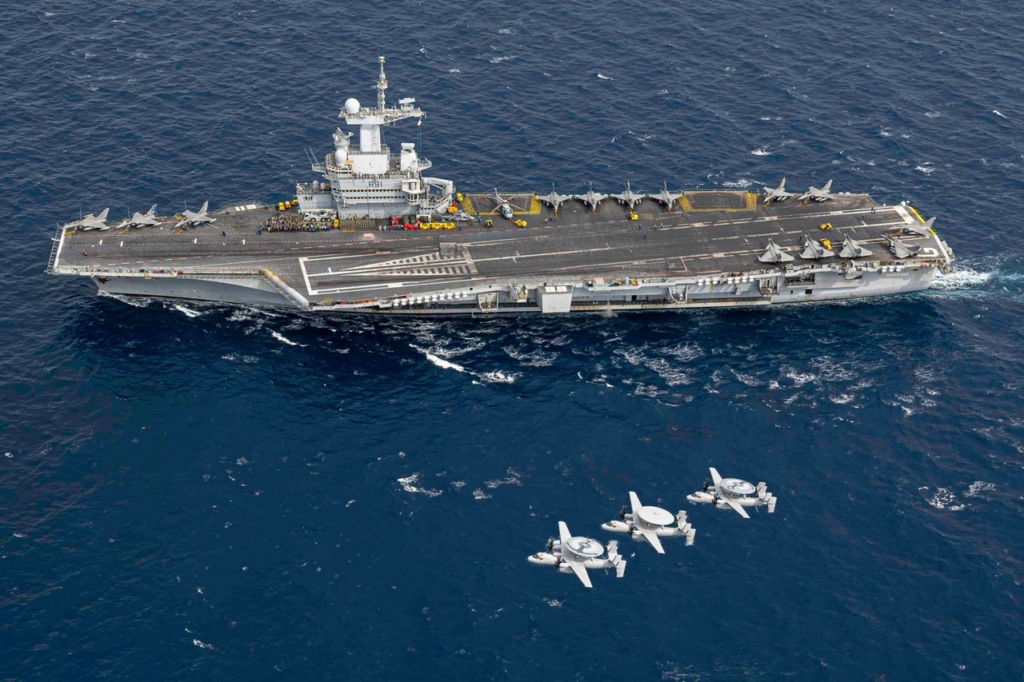
France currently appears to be contributing the largest dedicated combat aviation force to the coalition effort.
The French Navy aircraft carrier Charles de Gaulle remains deployed in the Red Sea and Gulf of Aden region alongside escort warships and support vessels. The carrier brings embarked Rafale M fighter jets capable of conducting air defence, maritime strike and reconnaissance missions across the wider Gulf theatre.
Australia deploys E-7A Wedgetail to support Hormuz air operations
Australia has confirmed it will contribute an E-7A Wedgetail airborne early warning and control aircraft to the coalition effort.
While less visually dramatic than fighter jets or warships, the Wedgetail may prove one of the coalition’s most strategically valuable aviation assets.
The aircraft acts as a flying command-and-control centre, capable of tracking aircraft, drones, missiles and maritime activity across enormous distances while coordinating allied air operations in congested airspace.
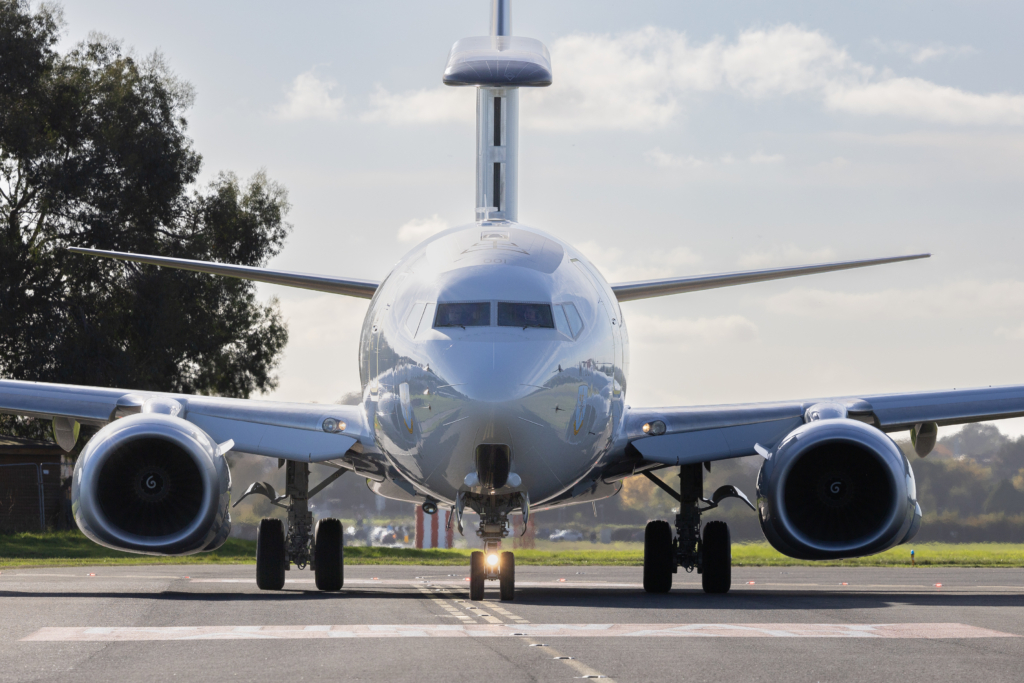
The Gulf region presents a particularly complex surveillance environment, with military aircraft, commercial traffic, drones and missile threats all operating within relatively constrained air corridors.
The Wedgetail’s advanced radar and battle-management systems allow coalition commanders to build a real-time picture of aerial activity while coordinating fighter patrols and defensive responses.
Australia previously deployed a Wedgetail to the region to support Gulf-state air defence operations during earlier Iranian attacks.
Allied Hormuz mission designed to protect shipping, not attack Iran
Several other countries, including Germany, Canada and the UAE, are also expected to contribute support assets or personnel in more limited roles.
However, coalition members continue to emphasise that the mission is defensive in nature and separate from direct US strike operations against Iranian targets.
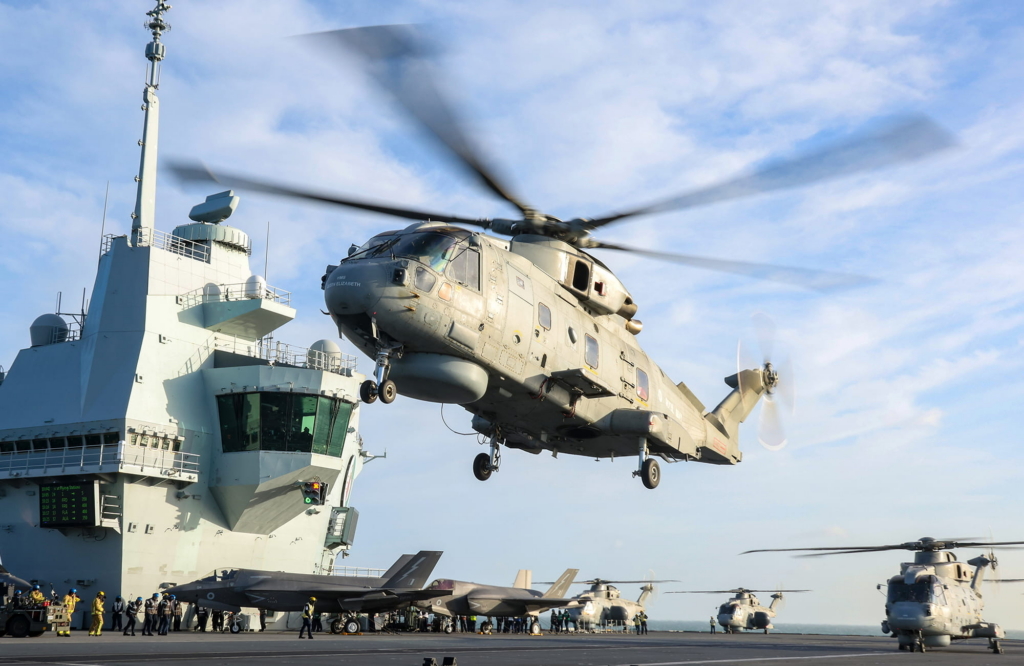
The coalition’s structure also reflects a broader shift in modern maritime security operations.
While warships remain essential, the growing importance of drones, missile threats and long-range surveillance has made airborne early warning aircraft, combat air patrols and counter-drone systems just as important as traditional naval firepower.
Even if commercial shipping begins moving through Hormuz again, coalition planners are likely preparing for a prolonged period of elevated military escort, aerial surveillance and defensive patrols across the Gulf region.
Featured Image: RAF