RAF Eurofighter Typhoons are now using low-cost APKWS rockets against drones in Middle East

May 17, 2026
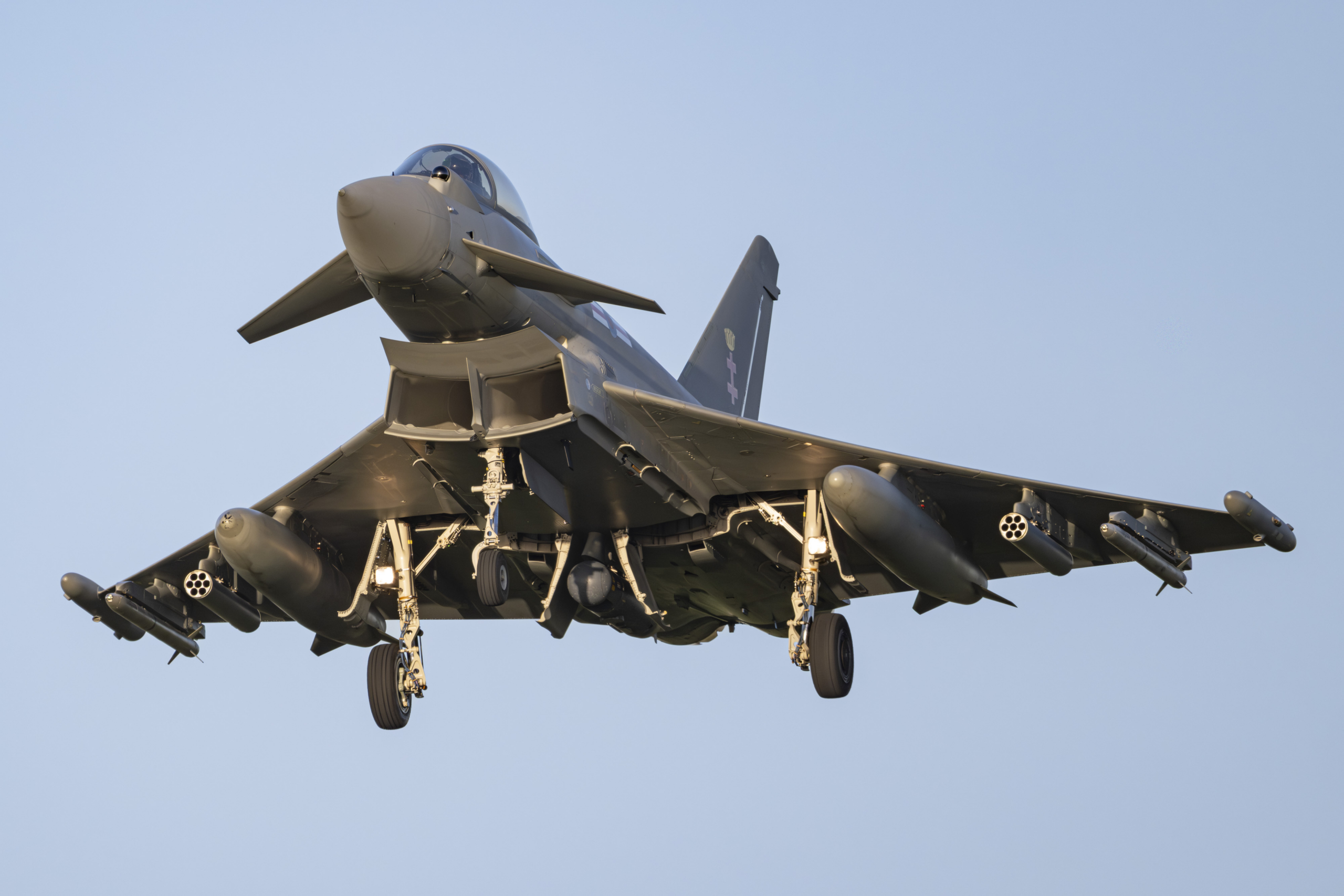
RAF Eurofighter Typhoon fighters are now operating with low-cost APKWS laser-guided rockets in the Middle East following a rapid integration effort driven by growing drone threats.
BAE Systems led the integration of its Advanced Precision Kill Weapon System (APKWS) onto the RAF’s Eurofighter Typhoon fleet. QinetiQ supported testing, range operations and aerial target provision during the trials programme.
The development marks a significant shift in how Western air forces are adapting combat aircraft to deal with large numbers of low-cost drones and one-way attack munitions without exhausting stocks of high-value missiles.
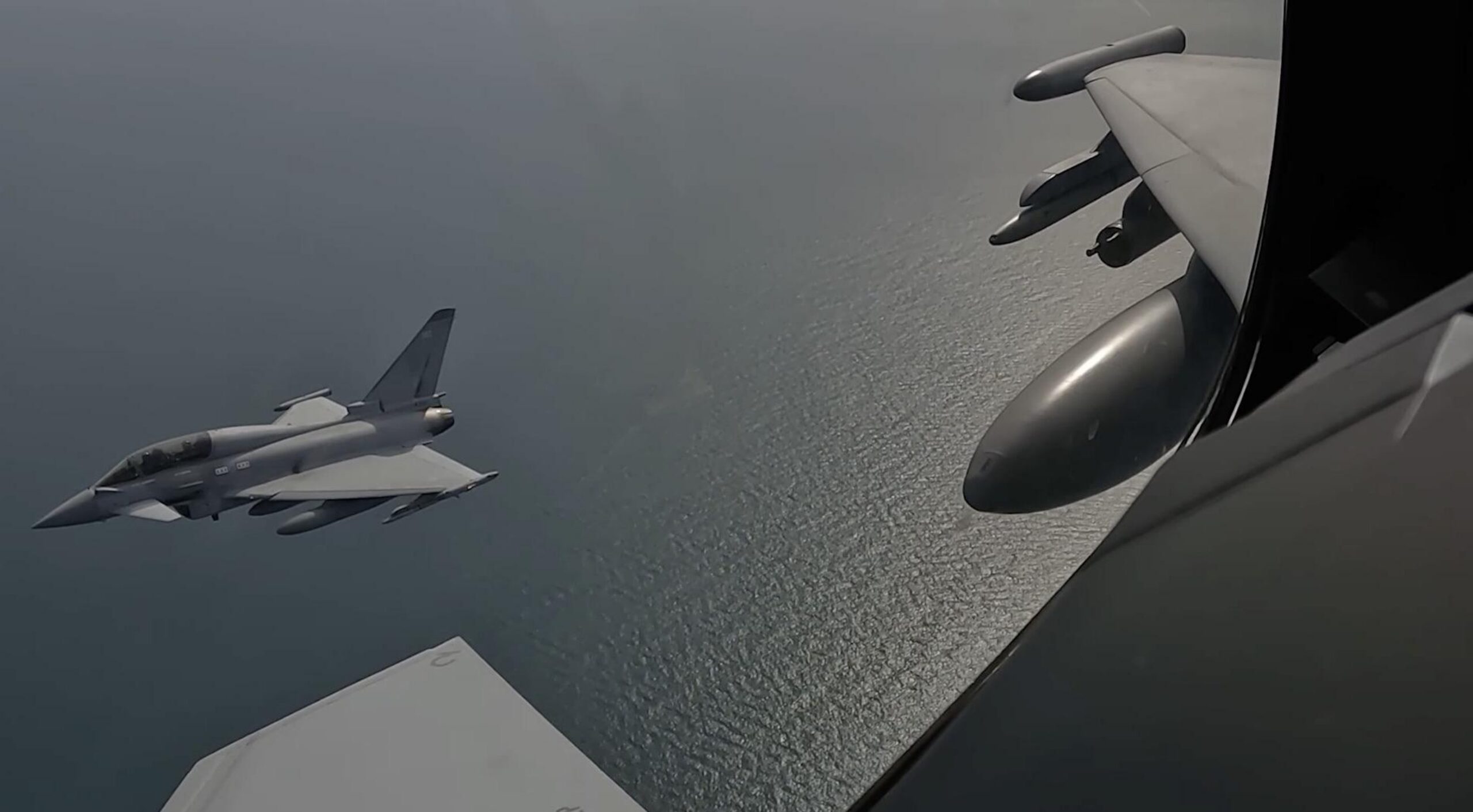
“This has been a superb effort working with industry to test and deploy this system in a matter of months, which will help the RAF shoot down many more drones at a much lower cost,” says Minister for Defence Readiness and Industry Luke Pollard MP.
“Our Typhoon fleet is the backbone of UK and NATO air defence, with the RAF protecting Europe’s Eastern flank from Russian drone incursions and defending our partners across the Middle East.”
RAF fast-tracks Typhoon counter-drone capability
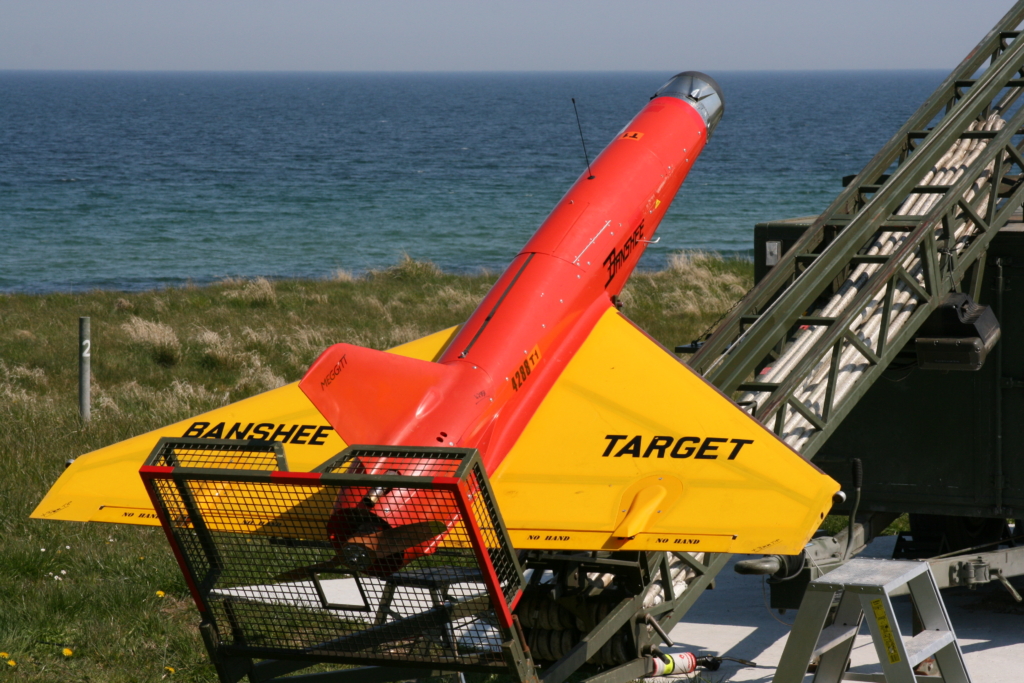
Earlier this year, RAF Typhoons successfully test-fired APKWS during trials at the MOD Aberporth range in Wales using QinetiQ’s Banshee Whirlwind aerial target drones.
QinetiQ said it supported the engineering integration process, created safety zones at the range and provided realistic aerial targets for Typhoon crews to train against.
Those targets included the Banshee Whirlwind, one of QinetiQ’s high-speed uncrewed aerial target systems capable of simulating modern drone threats. The company says the platform, manufactured in Kent, is already used by more than 30 countries for air-defence training.
The speed at which the capability moved from trial phase to operational deployment is notable.
Only last month, BAE Systems confirmed Typhoon had successfully test-fired APKWS during UK trials as part of efforts to explore cheaper counter-drone weapons for modern air combat operations.
The accelerated timeline is notable. A successful ground-target firing took place in March at BAE Systems’ Warton site, followed by RAF air-to-air trials conducted by 41 Test and Evaluation Squadron in April. The capability was then operationally deployed in the Middle East in May.
“Our priority is to ensure the Royal Air Force and its allies have the advanced technologies they need today and into the future, to keep them ahead of evolving threats,” says Simon Barnes, Group Managing Director, BAE Systems Air sector.
“This capability demonstrates Typhoon’s exceptional versatility and underlines its continued role as the backbone of combat air across Europe and the Middle East.”
The RAF said 9 Squadron Typhoons have already flown operational sorties with the system in the Middle East.
Why low-cost drone interceptors are becoming essential
The rapid deployment reflects a growing problem facing Western air forces: modern drone warfare is creating an unsustainable economic imbalance.
Conflicts in Ukraine and the Middle East have repeatedly demonstrated how relatively cheap drones and loitering munitions can force militaries to expend extremely expensive interceptor missiles.
Weapons such as Meteor, AMRAAM or even advanced surface-to-air missiles may cost hundreds of thousands, or even millions, of pounds per shot. Many one-way attack drones cost only a tiny fraction of that amount.
APKWS offers a far cheaper alternative.
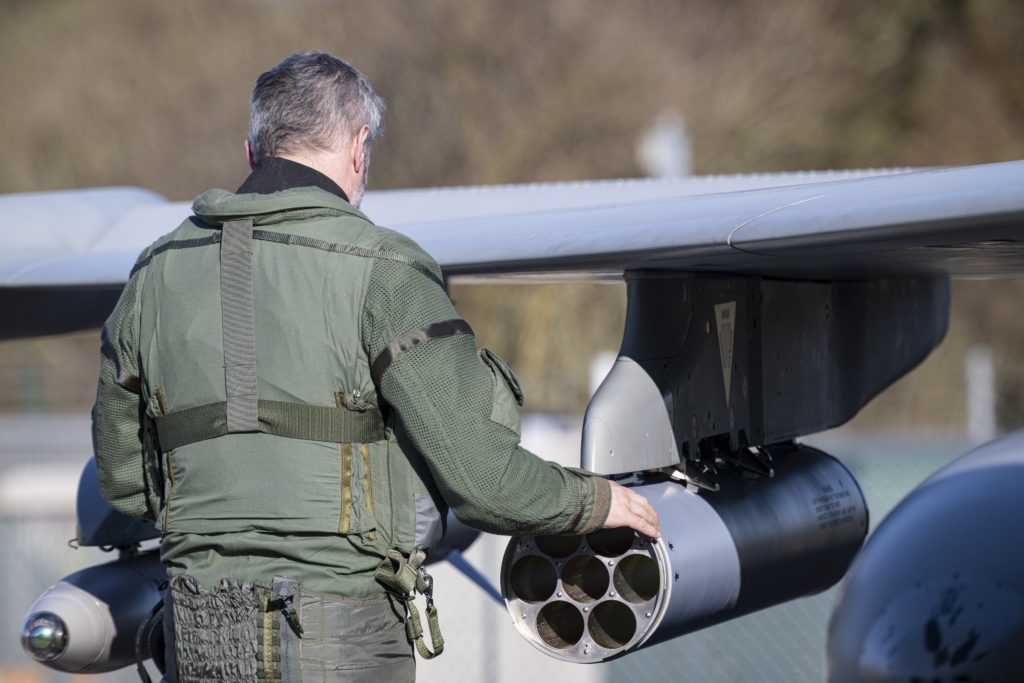
Rather than being a traditional missile, the system converts existing 70mm unguided rockets into precision-guided weapons using a semi-active laser guidance kit. The result is a scalable, comparatively inexpensive interceptor suitable for engaging drones and low-value aerial threats.
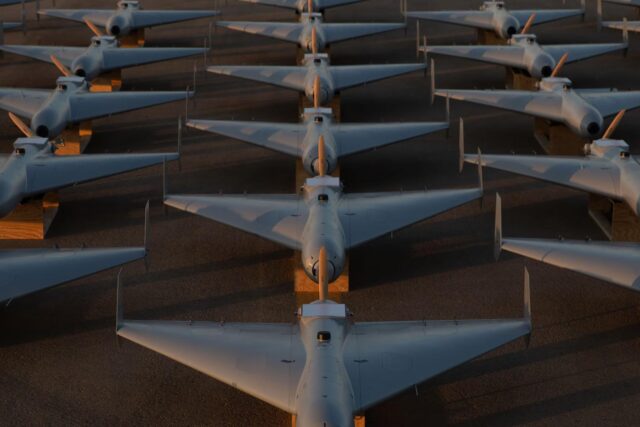
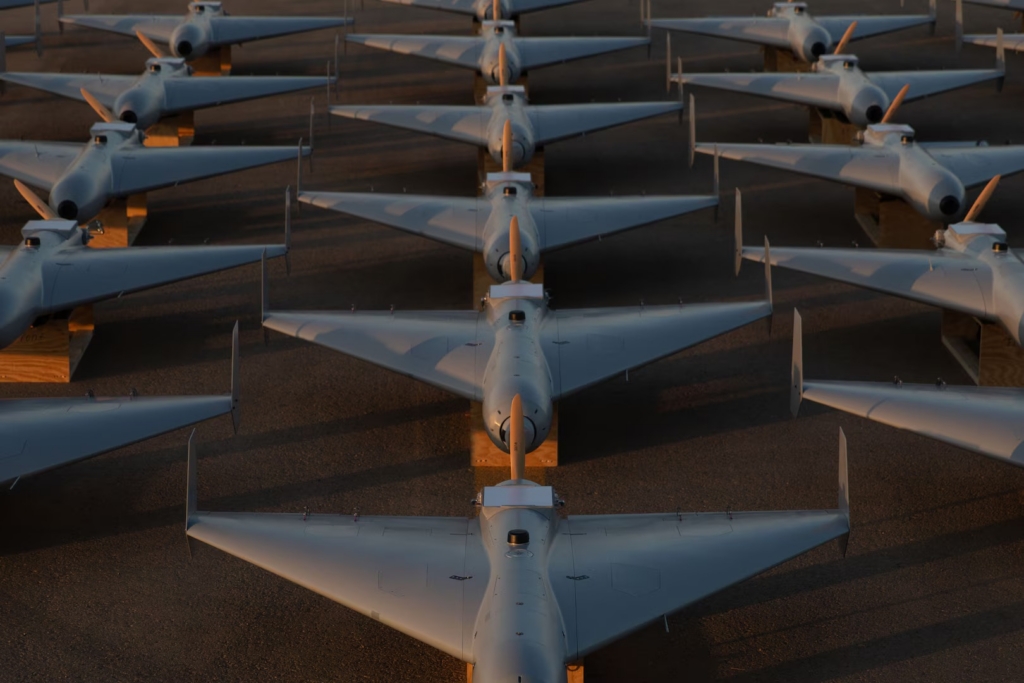
The issue has become increasingly urgent as Iranian and Shahed-style one-way attack drones proliferate across modern conflict zones.
Drone warfare is reshaping combat aircraft priorities
The Typhoon integration also reflects a wider shift underway across Western air forces as combat aircraft adapt to an era increasingly dominated by drones, cruise missiles and saturation attacks.
High-end fighters are no longer optimised solely for air superiority or deep strike missions. They are increasingly expected to provide layered air defence against large numbers of smaller, cheaper aerial threats.
That challenge is forcing militaries to rethink both weapons procurement and operational doctrine.
The RAF’s rapid integration of APKWS onto Typhoon suggests air forces are becoming more willing to accelerate capability upgrades outside traditional procurement timelines as operational pressures grow.
Steve Wadey, Group CEO of QinetiQ, said the company’s teams were helping provide “the urgent capabilities that ensure the UK and its allies remain safe and warfighting ready.”
The Typhoon’s rapid APKWS integration may offer an early glimpse of how Western combat aircraft will increasingly fight drone-heavy conflicts: using large numbers of cheaper precision interceptors rather than relying solely on premium air-to-air missiles.
Featured image: BAE Systems