US Air Force adds new autonomous strike drone capability with AEVEX

May 19, 2026
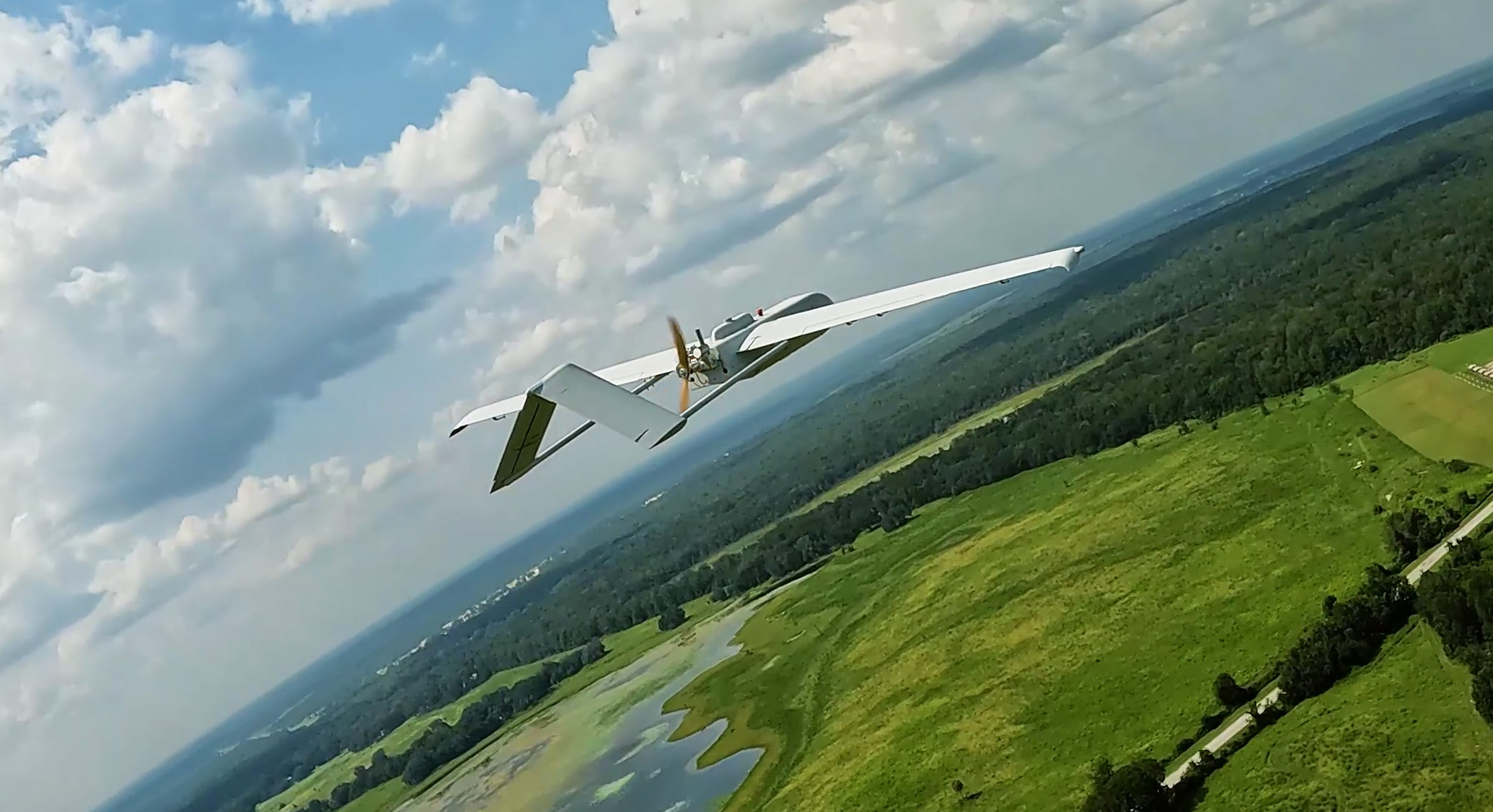
The US Air Force has awarded AEVEX Corp an $18.5 million contract to deliver autonomous aircraft for one-way attack missions, underscoring how rapidly low-cost strike drones are becoming part of mainstream American airpower planning.
While the contract does not identify the exact aircraft selected, the award specifically supports deployment of AEVEX’s additive-manufactured Group III unmanned aircraft systems. This category includes the company’s Onyx, Disruptor, Raker and Dominator platforms.
The agreement also includes engineering and field support services from AEVEX teams.
The move comes as the Pentagon increasingly studies lessons emerging from conflicts in Ukraine and the Middle East, where one-way attack drones have evolved from niche systems into central battlefield weapons capable of overwhelming air defences, striking infrastructure and extending precision attack capability at relatively low cost.
“We appreciate the continued trust the US Air Force places in AEVEX,” Roger Wells, chief executive officer of the US-based company, said after the contract announcement. “Our teams are focused on delivering dependable, mission-aligned capabilities, and we remain committed to ensuring high-quality assets reach the people who need them.”
Ukraine and Middle East wars reshape Pentagon drone strategy
The contract reflects a wider shift underway across Western militaries.
For years, long-range strike missions depended largely on expensive cruise missiles and manned combat aircraft.
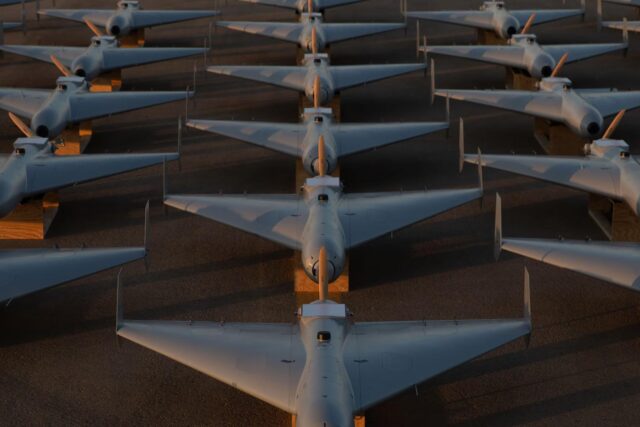
But the battlefield success of one-way attack drones, particularly Iranian-designed Shahed systems and mass-produced FPV drones in Ukraine, has forced defence planners to rethink the economics of modern warfare.
Iran’s Shahed-136, for example, reportedly costs between $20,000 and $50,000 while carrying out missions traditionally associated with cruise missiles costing millions of dollars.
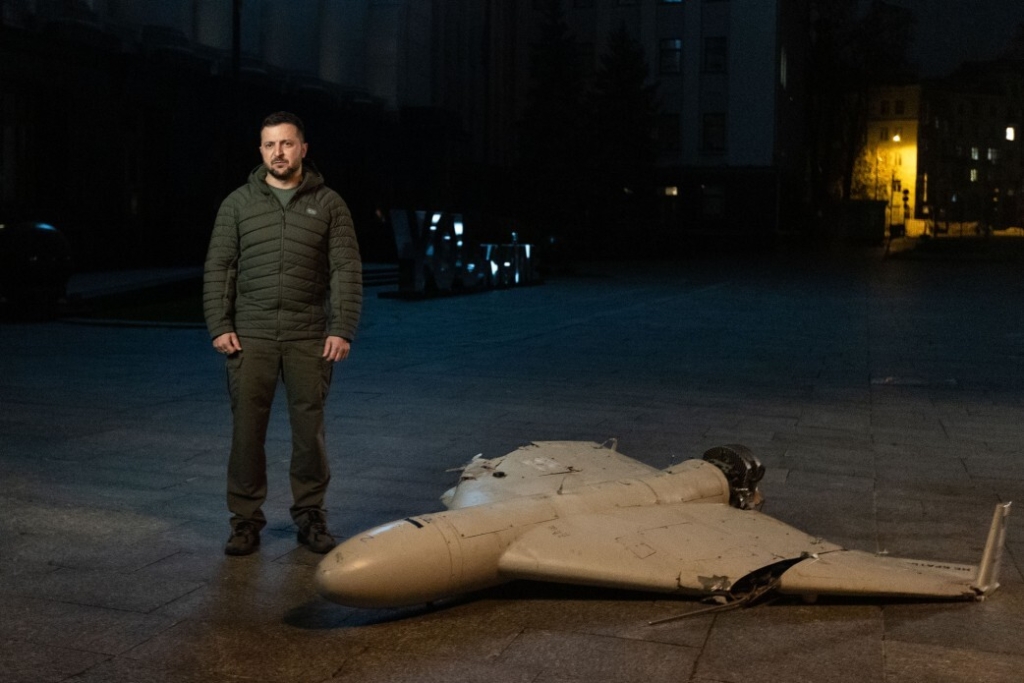
Short-range FPV drones assembled from commercial components have also transformed front-line combat by giving small units precision attack capability at extremely low cost.
The US military is now moving to develop larger autonomous systems that sit somewhere between traditional loitering munitions and long-range unmanned aircraft.
AEVEX’s Group III systems fall into that category.
AEVEX is building a family of long-range autonomous strike drones
The company’s wider precision strike portfolio includes multiple aircraft designed for long-endurance strike, surveillance and electronic warfare missions.
Most of the systems are produced using AEVEX’s ForgeX additive manufacturing process, which relies heavily on digital engineering and advanced 3D-printing methods to accelerate production and simplify scaling.
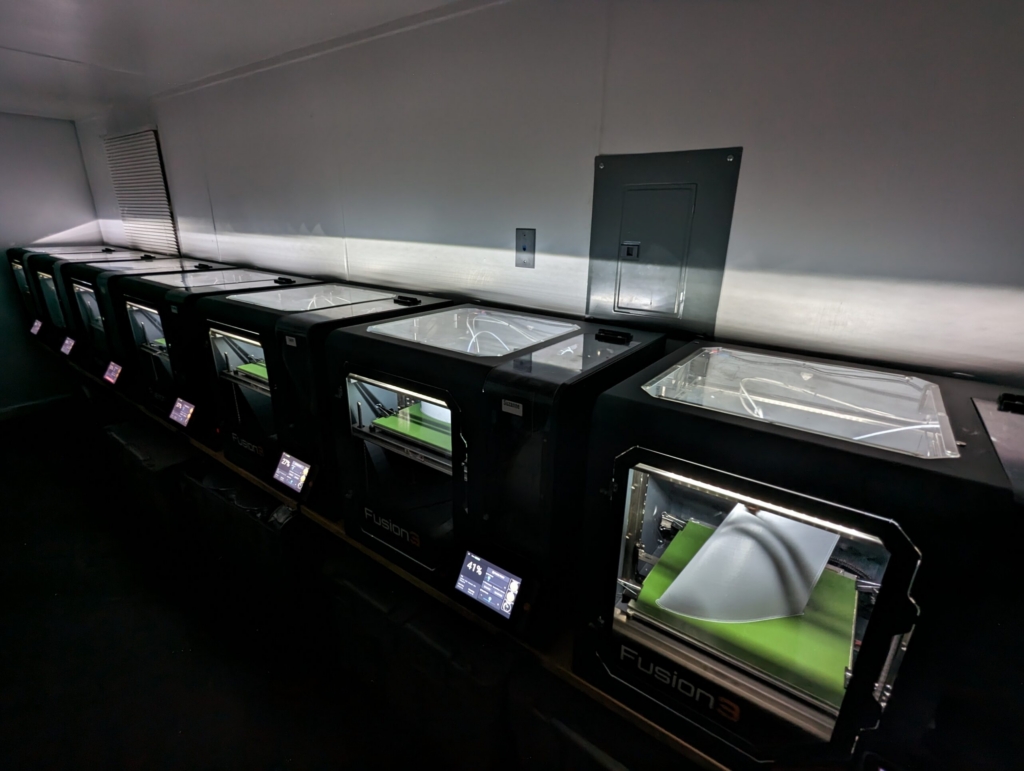
The aircraft are also designed around modular payload architecture and autonomous navigation systems capable of operating in GPS-denied environments.
That has become increasingly important as electronic warfare and satellite-jamming capabilities proliferate across modern battlefields.
AEVEX says its systems use alternative positioning, navigation and timing technologies together with visual-based navigation frameworks to maintain operational capability when satellite navigation signals are degraded or denied.
Dominator and Disruptor drones are built for long-range precision strike missions
Among the company’s Group III systems, Dominator appears most closely aligned with long-range one-way attack operations.
The aircraft is described by AEVEX as a Group III precision strike unmanned aircraft system capable of ISR, electronic warfare, cyber effects and strike missions.
According to company specifications, Dominator has an endurance of up to 18 hours, a range of roughly 1,852 kilometres and a payload capacity of 16.7 kilograms.
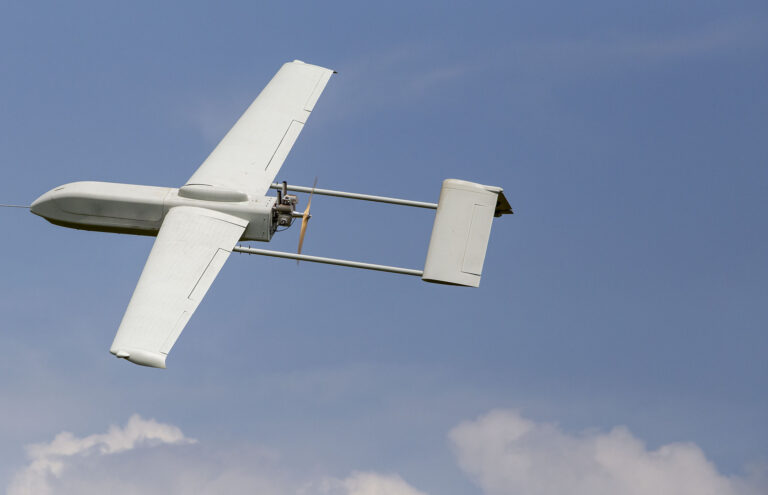
The aircraft uses open-architecture design principles, allowing rapid integration of sensors, software and payloads depending on mission requirements.
AEVEX’s Disruptor drone is similarly focused on long-range strike operations. The aircraft is designed around autonomous operation, modular payload integration and precision navigation in contested environments.
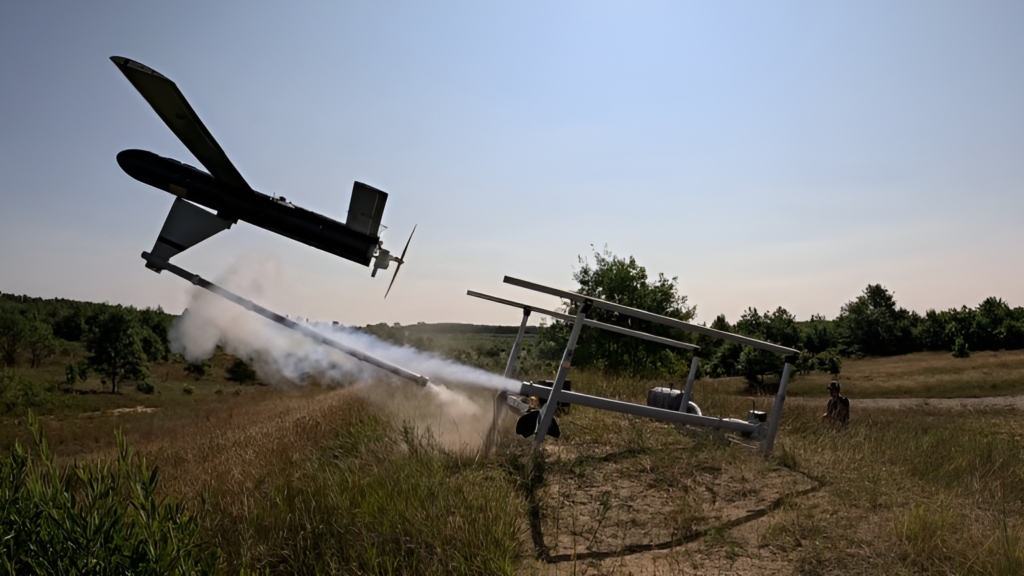
Company material states that Disruptor can remain airborne for more than 14 hours, reach distances up to 1,400 kilometres and carry mission payloads up to 22.6 kilograms.
Visual material released by AEVEX also shows Disruptor being launched from rail systems similar to those used for loitering munitions and expendable strike drones.
Raker and Onyx drones focus on endurance, ISR and scalable autonomous operations
The company’s Raker and Onyx aircraft appear more closely oriented towards long-endurance ISR and multi-mission operations, although both incorporate the same modular design and autonomous architecture principles.
Raker is described as a long-endurance fixed-wing unmanned aircraft designed for ISR, communications relay and multi-domain missions.
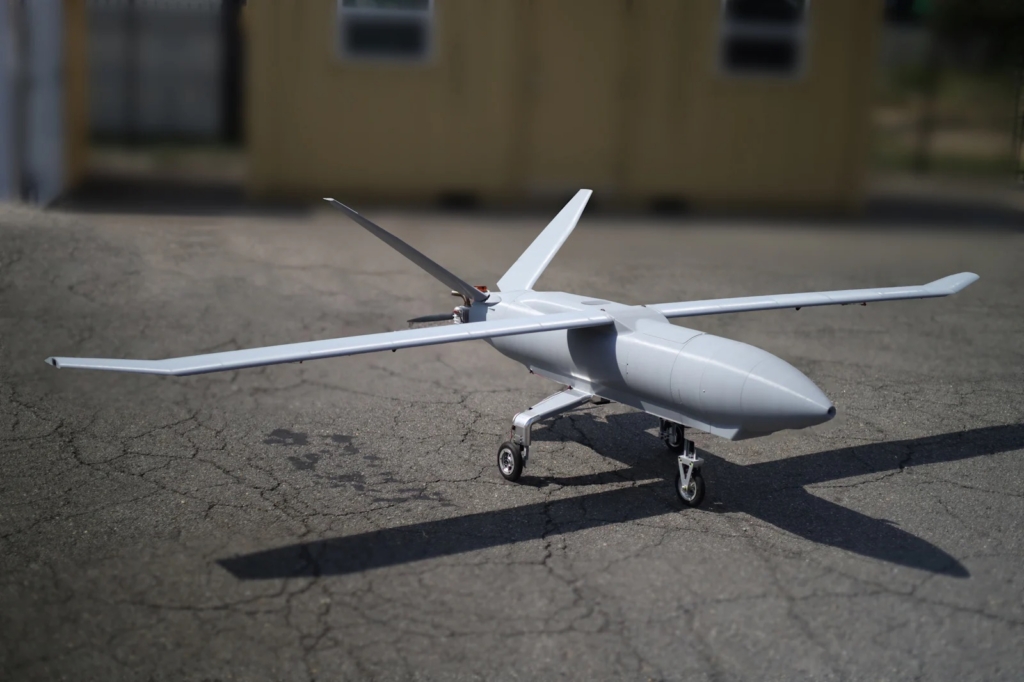
The aircraft reportedly offers more than 16 hours of endurance, operational reach exceeding 1,000 kilometres and payload capacity up to 67 pounds.
Onyx, meanwhile, is a lighter Group III platform designed for rapid deployment and modular mission flexibility.
The aircraft integrates AEVEX’s CompassX navigation ecosystem to maintain reliable flight control in GPS-challenged environments.
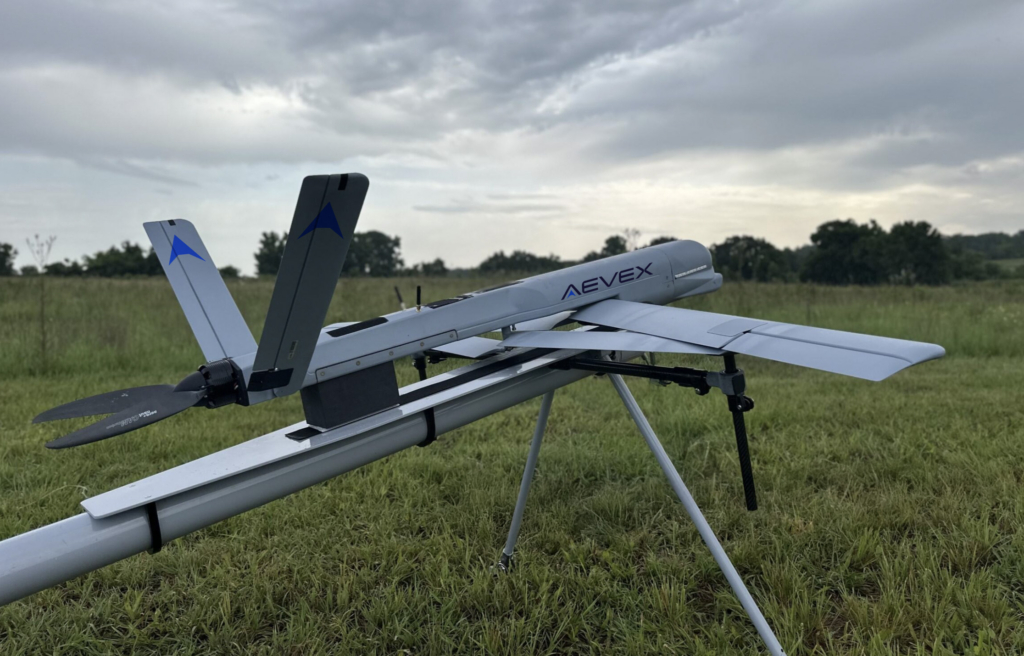
While the Air Force contract does not specify which platform will ultimately be fielded for one-way attack missions, all four systems share similar characteristics, such as modular payload architecture,
additive-manufactured airframes, autonomous navigation, long-range endurance, and scalable production methods.
Additive manufacturing is becoming central to scalable drone warfare
One of the most important aspects of the programme is not necessarily the aircraft itself, but the manufacturing model behind it.
AEVEX says its ForgeX production system allows rapid construction of unmanned aircraft using additive manufacturing methods that reduce logistics requirements and accelerate fielding timelines.
The company argues that modular 3D-printed airframes also allow faster adaptation as mission requirements evolve.
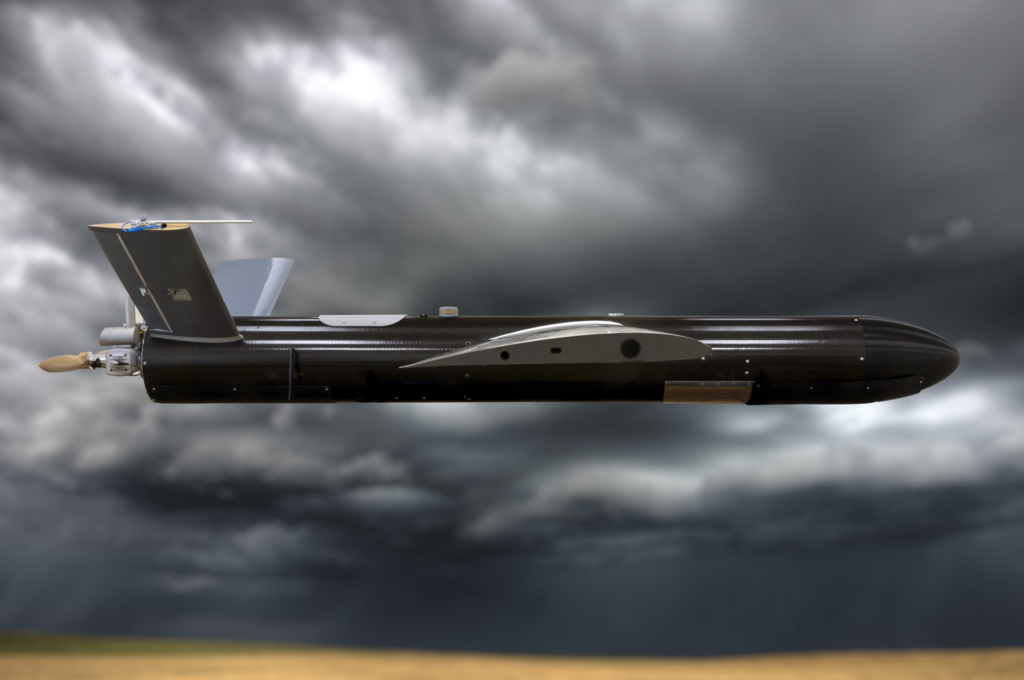
That matters because the war in Ukraine has shown how quickly drone technology changes once systems encounter real battlefield conditions.
A drone design that’s effective one month can become vulnerable the next after software updates, jamming adaptations or air defence changes.
Rapid manufacturing and iterative redesign are therefore becoming as important as raw aircraft performance.
AEVEX said the contract will be executed using its existing US production footprint, which includes around 100,000 square feet of unmanned systems manufacturing facilities and more than 150 engineering personnel spread across California, Virginia, Ohio, Florida and Alabama.
One-way attack drones are increasingly reshaping modern military doctrine
The Air Force contract also reflects a wider doctrinal shift underway inside the Pentagon.
One-way attack drones are no longer viewed simply as expendable battlefield tools.
They are increasingly becoming a method for delivering precision mass at ranges once dominated by expensive stand-off weapons.
The attraction is straightforward.
Large numbers of autonomous strike drones can force adversaries to expend costly interceptor missiles, saturate radar coverage and complicate air defence planning even before manned aircraft enter contested airspace.
For the US Air Force, the challenge now is how to integrate those capabilities at scale while retaining the flexibility, survivability and operational reach expected from modern strike systems.
Featured image: AEVEX